Nik Stanbridge
Analogue photography and printmaking
-
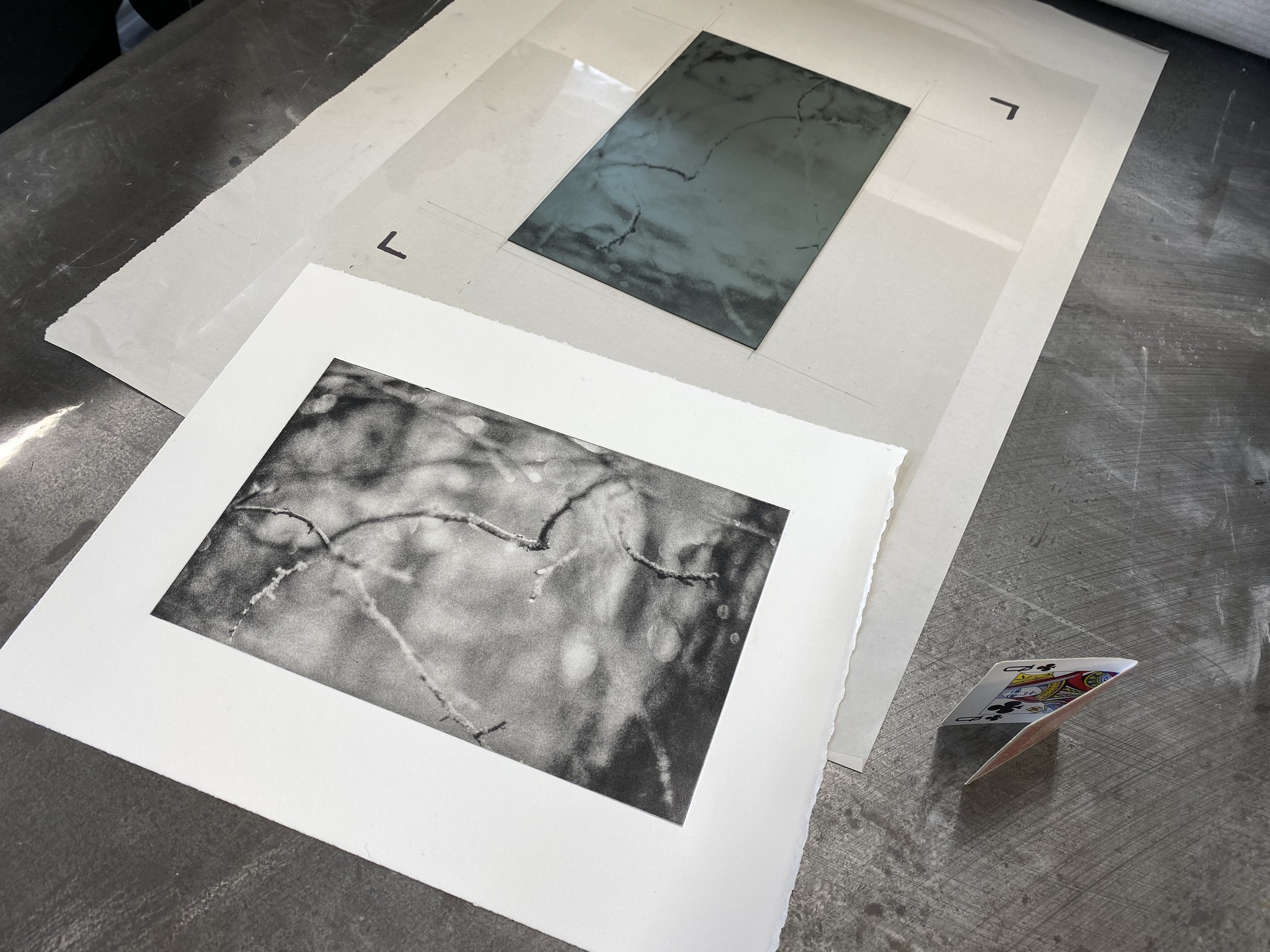
My Photogravure Journey 8: A repeatable process and better prints (at last)
I was almost there. I had a repeatable process for creating plates that produced good looking prints. I was still doing a bit too much levels and curves fiddling in Photoshop to get the image acetate ‘right’ though. I know deep down that this really wasn’t a repeatable, foolproof process because of this image specific
-
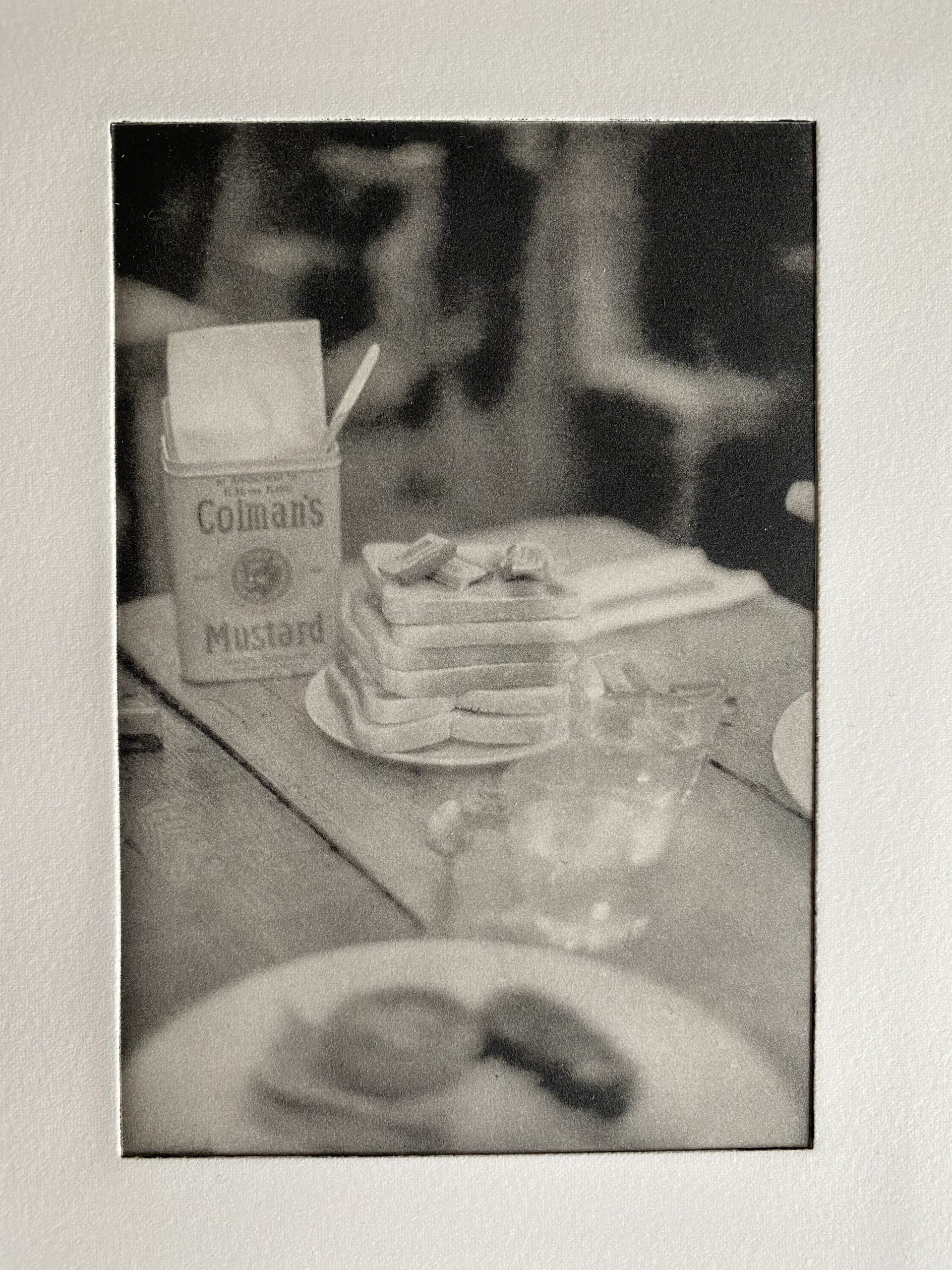
My Photogravure Journey 7: Getting closer to seeing decent prints
To recap, I went through the Easy Digital Negatives (EDN) process and produced an adjustment curve that had the right shape and produced some real world prints but the results were washed out and contrasty. To say I was crestfallen and dumbfounded would be an understatement. Producing some prints was very uplifting but not knowing
-
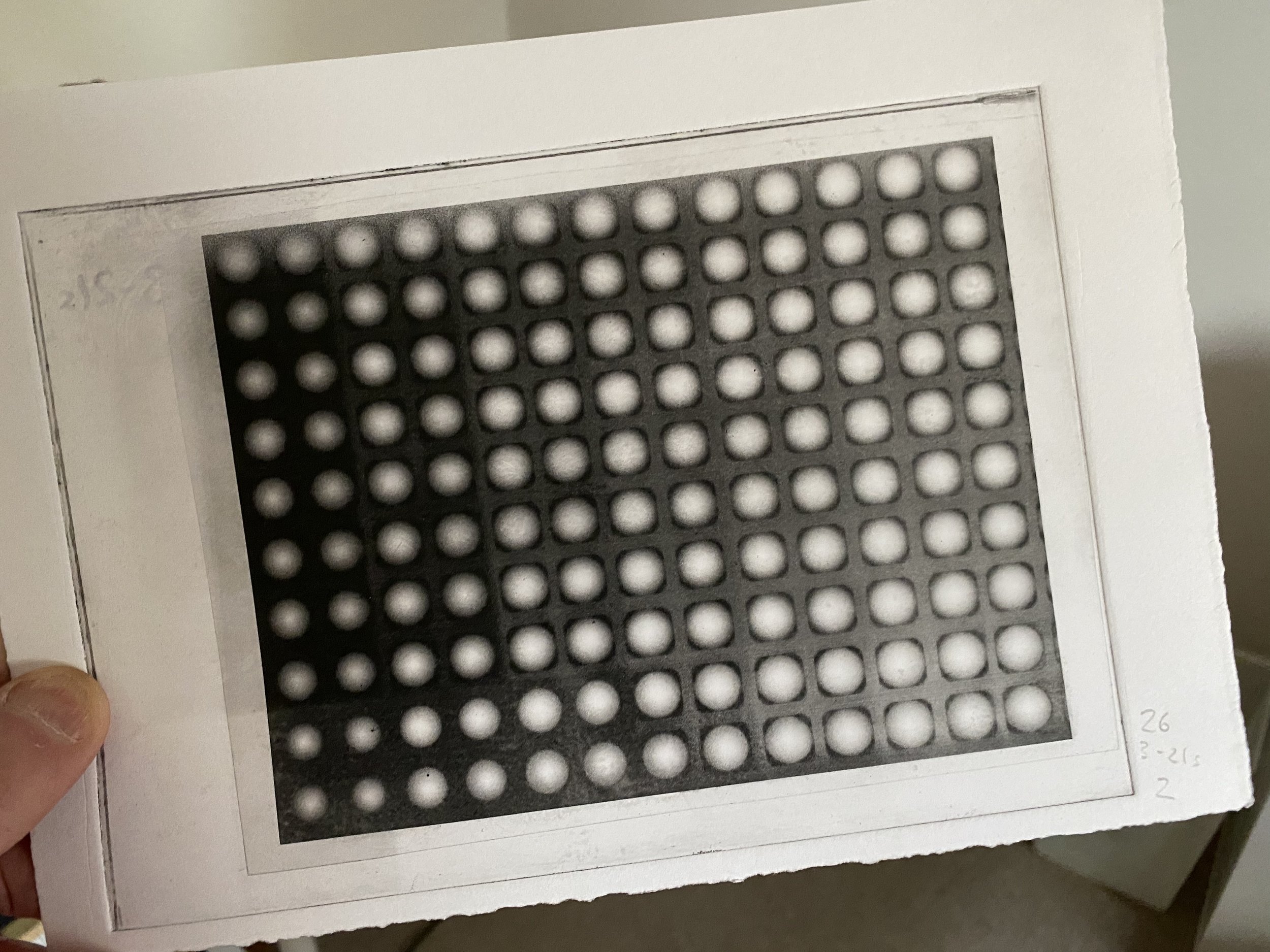
My Photogravure Journey 6: Refining my process steps further
I persevered all I could with Clay Harmon’s methodology for establishing aquatint screen exposure time (or at least a ballpark time). In the end, I gave up because I decided I didn’t really know what he meant by exposing a Stouffer tablet until all the steps wash out to bare metal. I was up to
-
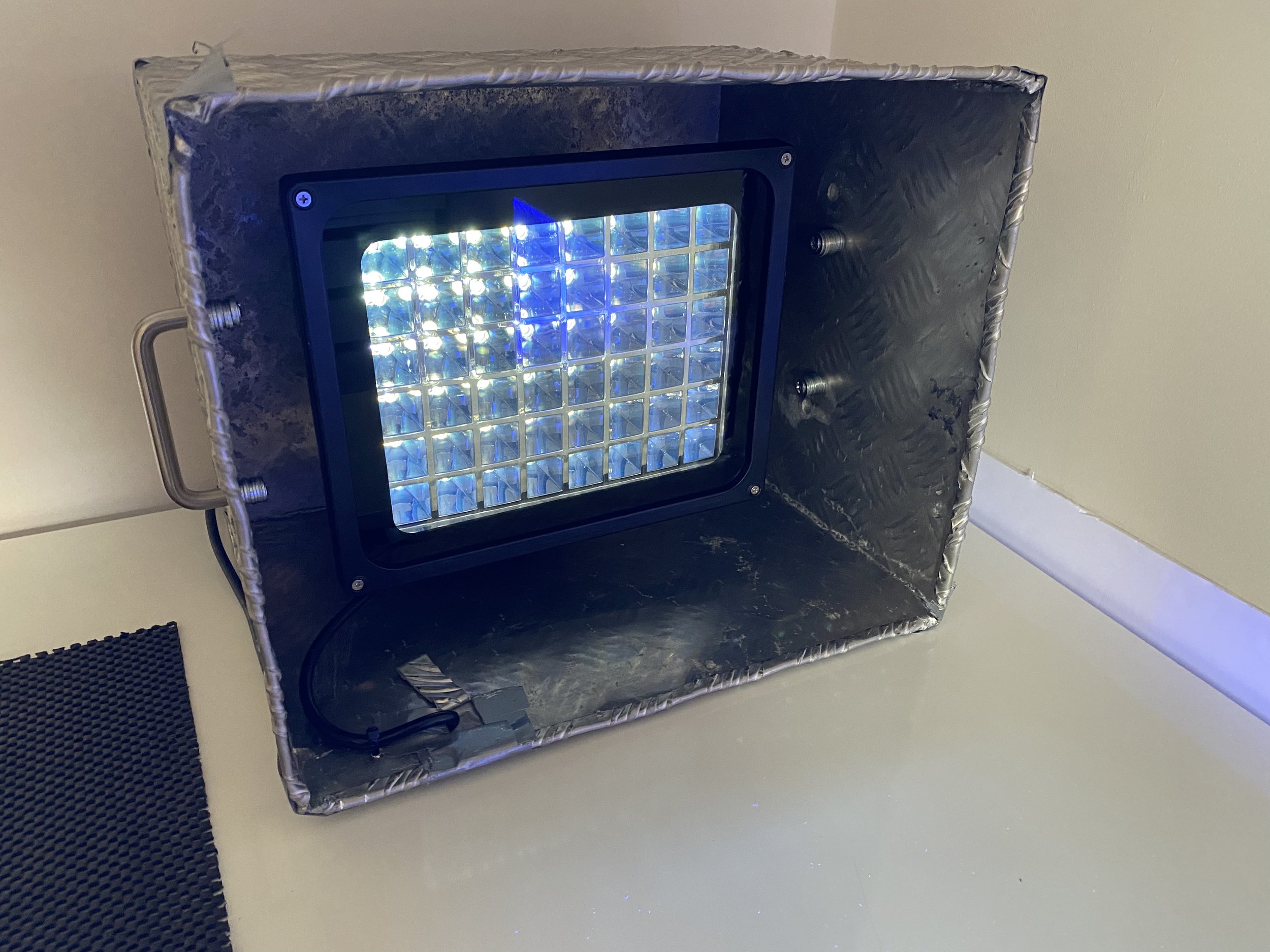
My Photogravure Journey 5: Building my own UV exposure unit
At this point I decided to build my own UV exposure unit for the following reasons: All of these factors were true apart from the one relating to cost. The inexpensive LED light sources I’d seen online were in the wrong nanometer UV range. They were in the 385-400nm range (for different types of UV-sensitive
-
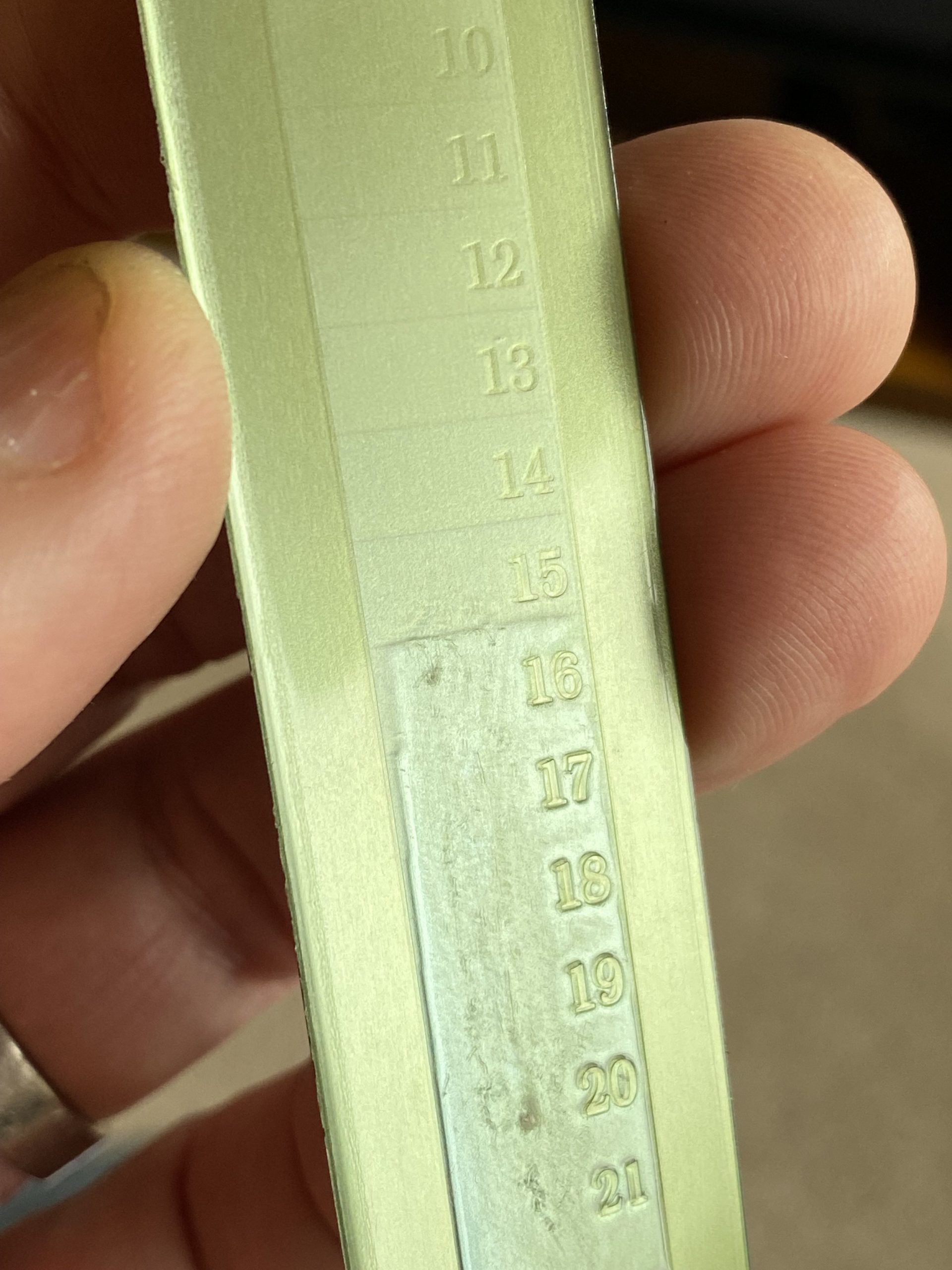
My Photogravure Journey 4: Calibrating my own plate exposure times
Getting stuck into the actual printing part of polymer photogravure was what I was most looking forward to. But as with most creative processes, there’s a lot to do before you can get to the fun bit. Here it’s the process of creating the printing plates, which requires the calibration of your UV exposure unit
-
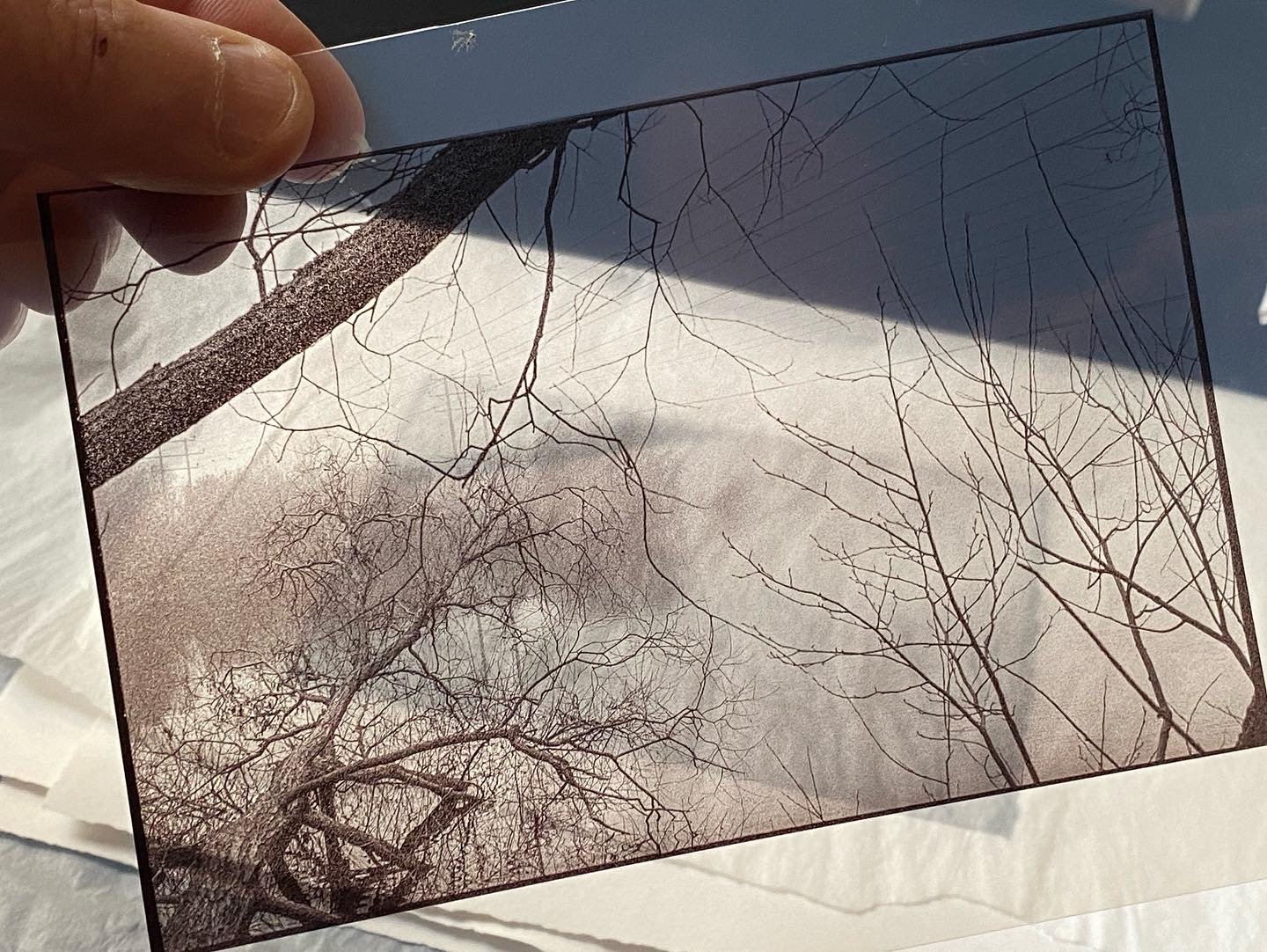
My Photogravure Journey 3: Learning the basics by going to a workshop
Having done my process and resources research, and given the skills and capabilities needed, I decided that it would make a huge amount of sense to attend a photogravure printing workshop. This, I hoped, would give me the skills and capabilities boost I’d need to really get to grips with photogravure printing. Courses and workshops
-
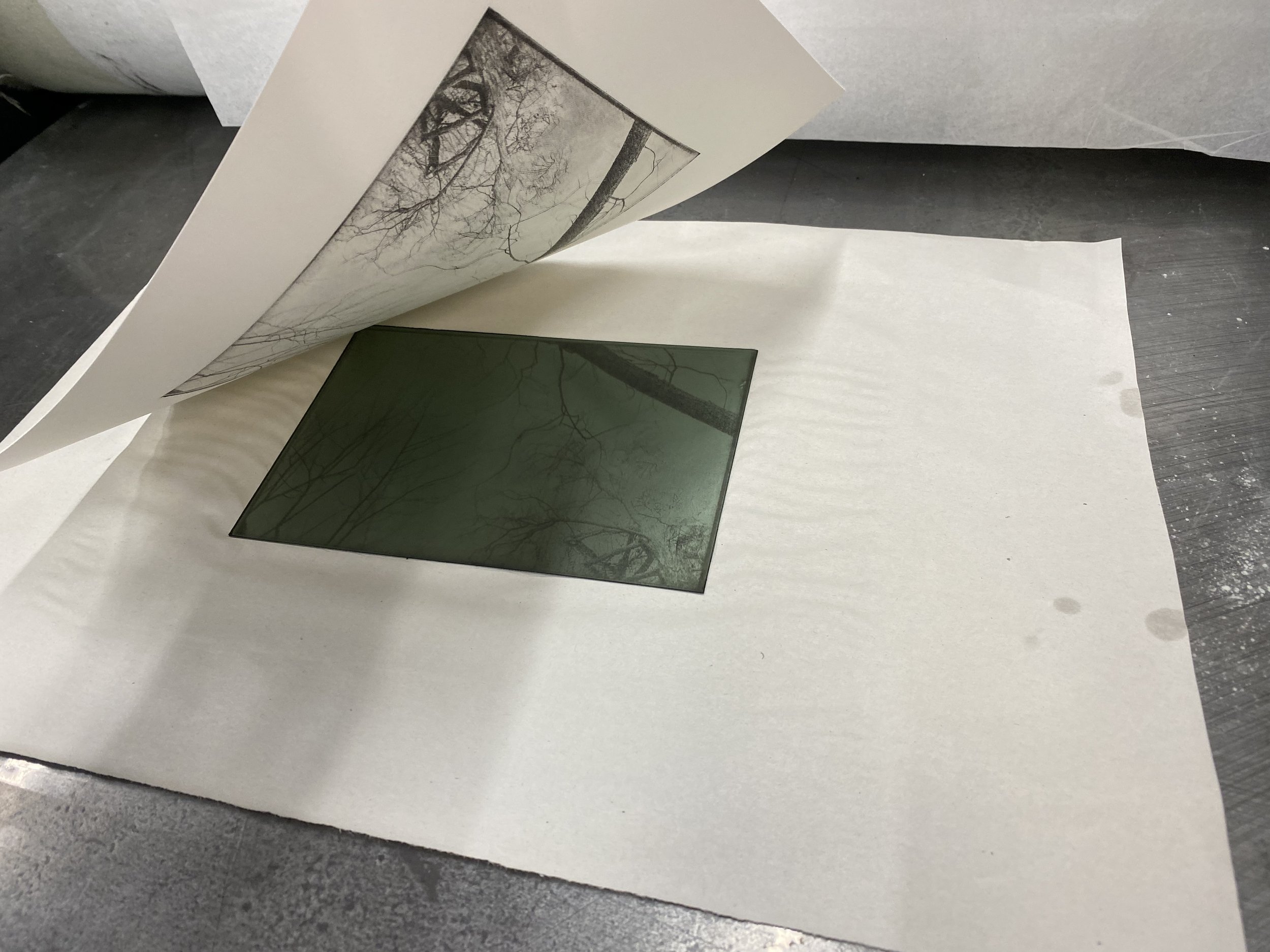
My Photogravure Journey 2: The process basics
To get going you need: This simple list makes it look relatively straightforward but a lot of complexity (and other bits of kit) is hidden within each step. Supplies and support forums Assuming for a second that you’re going to get yourself access to a UV exposure unit and a printing press, the consumables you
-
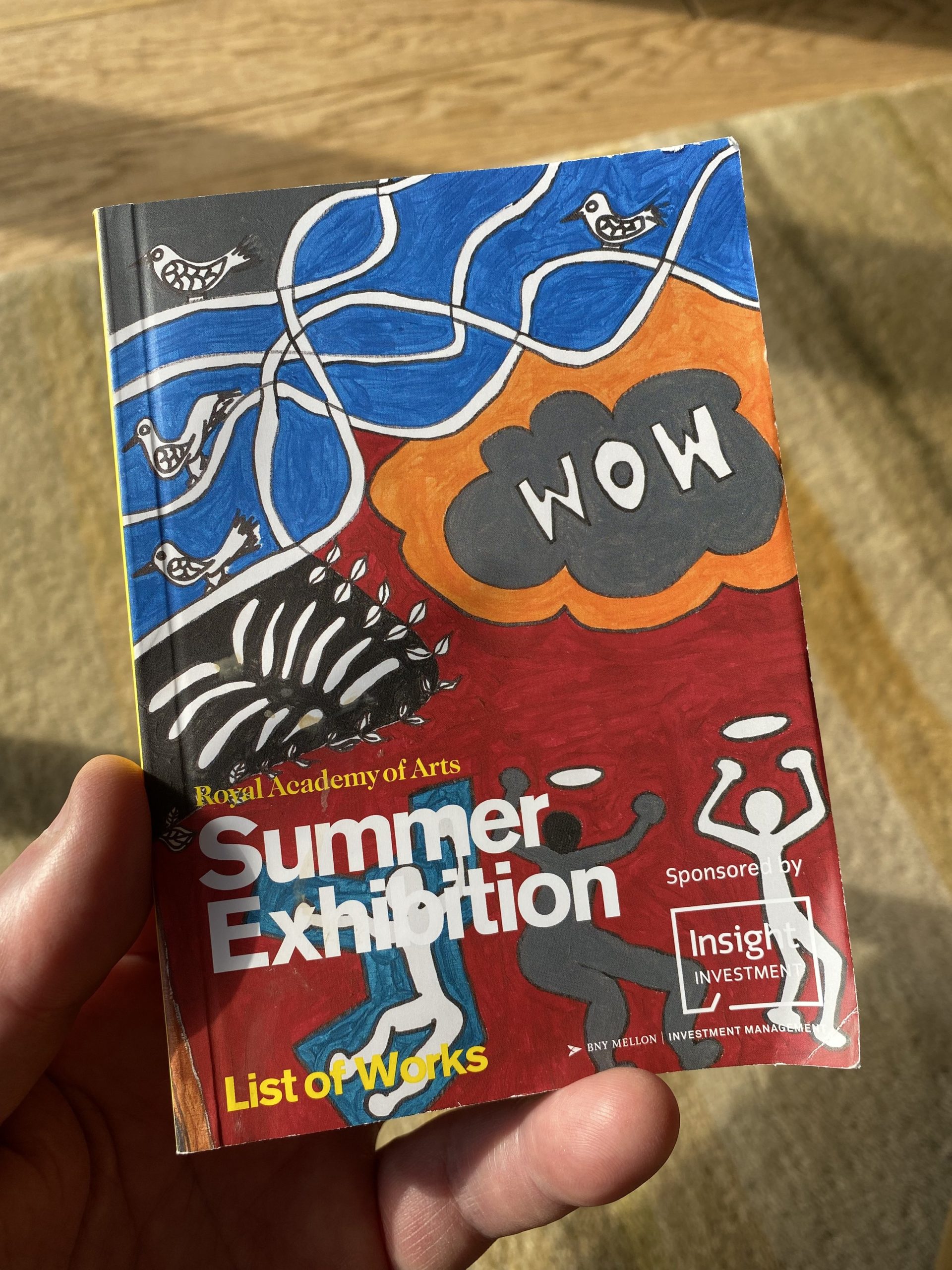
My Photogravure Journey 1: Seeing prints in the flesh at the Royal Academy in London
It was actually in the autumn and it was (only) my second time, the first having been last year, when Grayson Perry was the lead curator. In case you don’t know, it’s a publicly accessible, open submission show of art of any sort held at the Royal Academy in London. It’s been running for hundreds
-
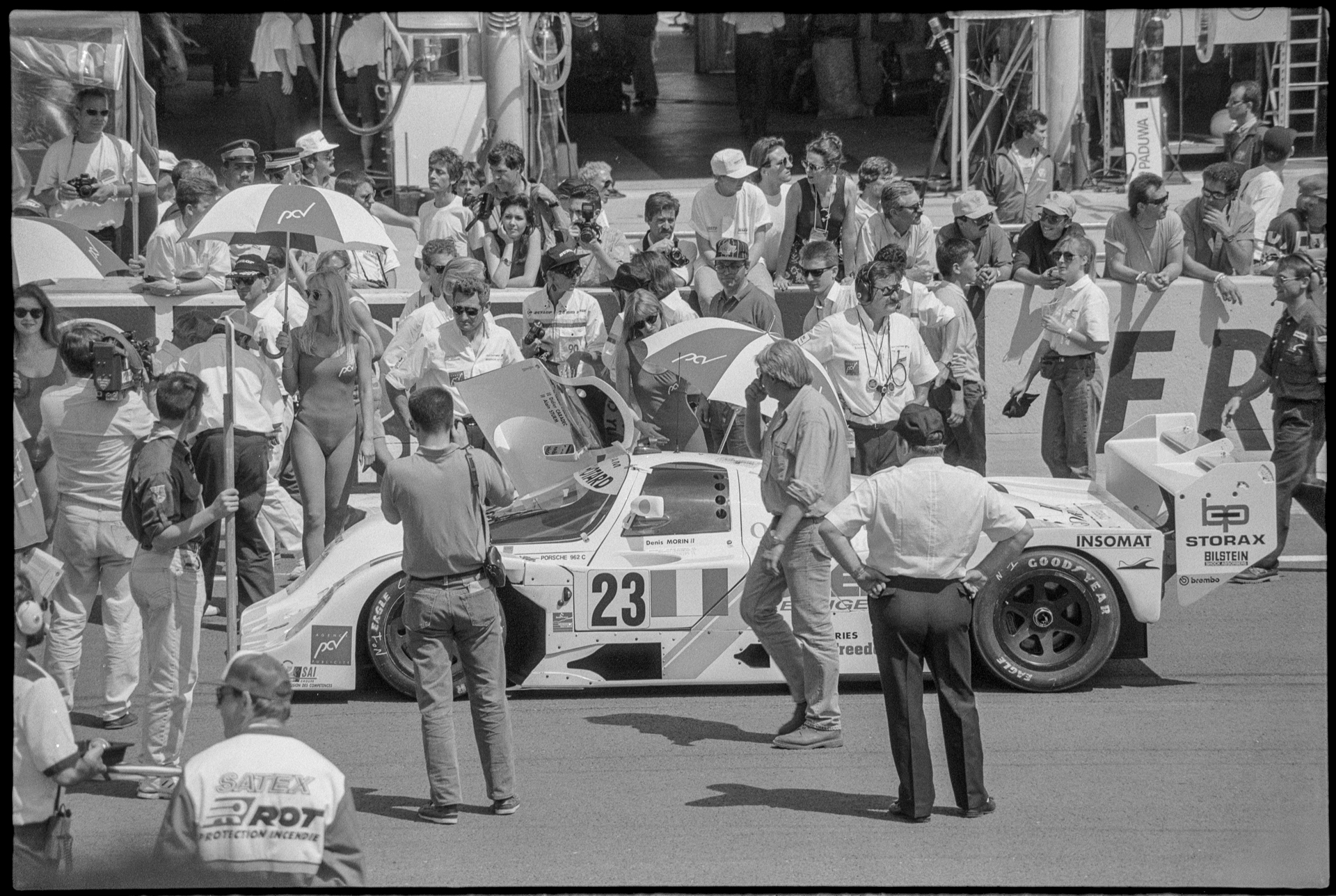
5 Frames at Le Mans in 1993 on FP4 with a Tamron 70-210
I was a devoted and regular attendee at Le Mans in the late 80s and early 90s, having discovered it in the 70s on Saturday afternoon sports TV. From those very early days, I knew that I had to attend one day. These images are from a few years after my first visit when I watched the start of the race on the pit straight.
-
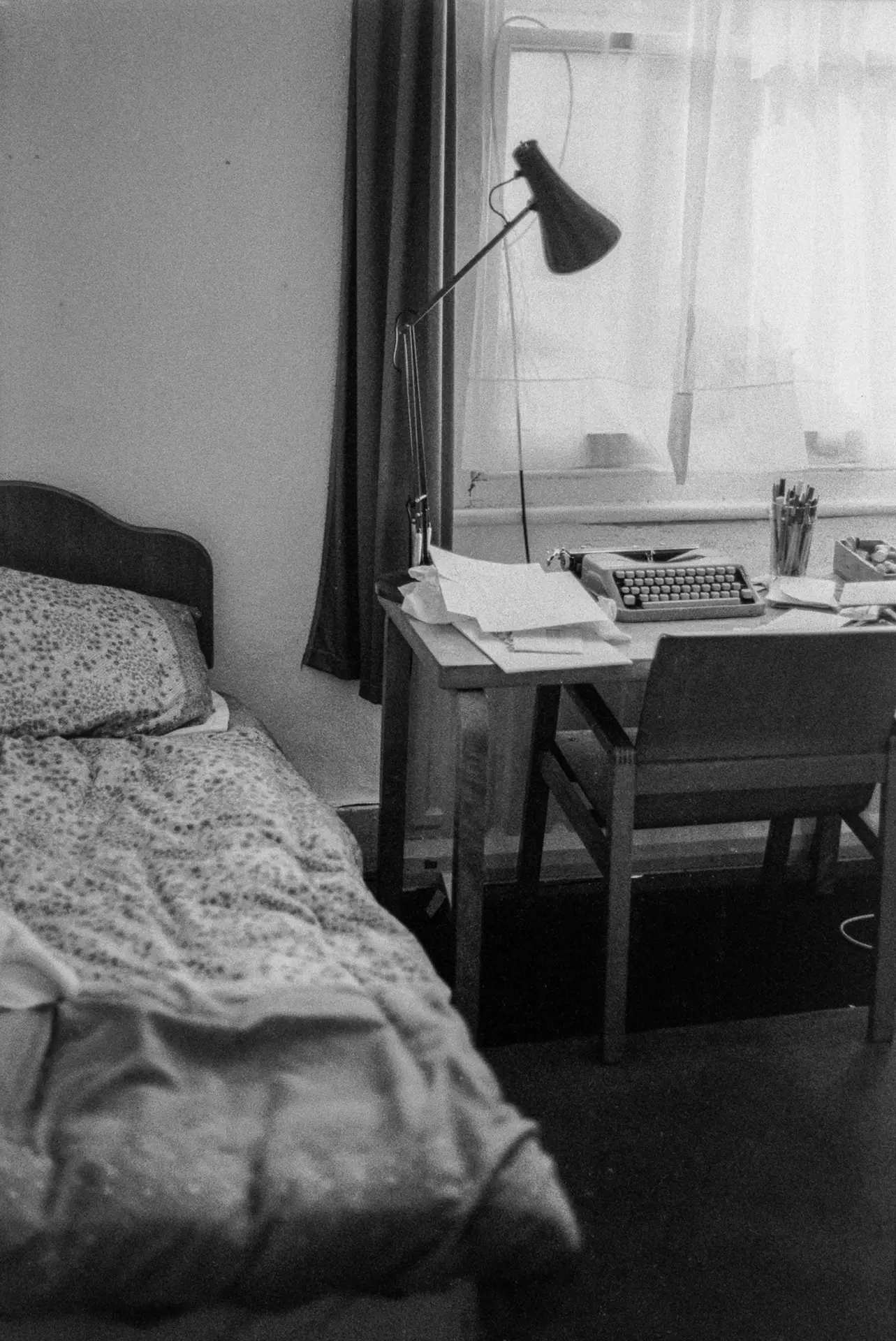
The influence of other photographers, and of a specific photograph, on my work
This article is mostly about the impact on me and my work (a few years ago) of Three Dasies by Sam Haskins. Sam was a fashion photographer in the 1960s and 70s and his work is very distinctive. I came across Three Daisies as a print at a show in London and was immediately captivated.