Nik Stanbridge
Analogue photography and printmaking
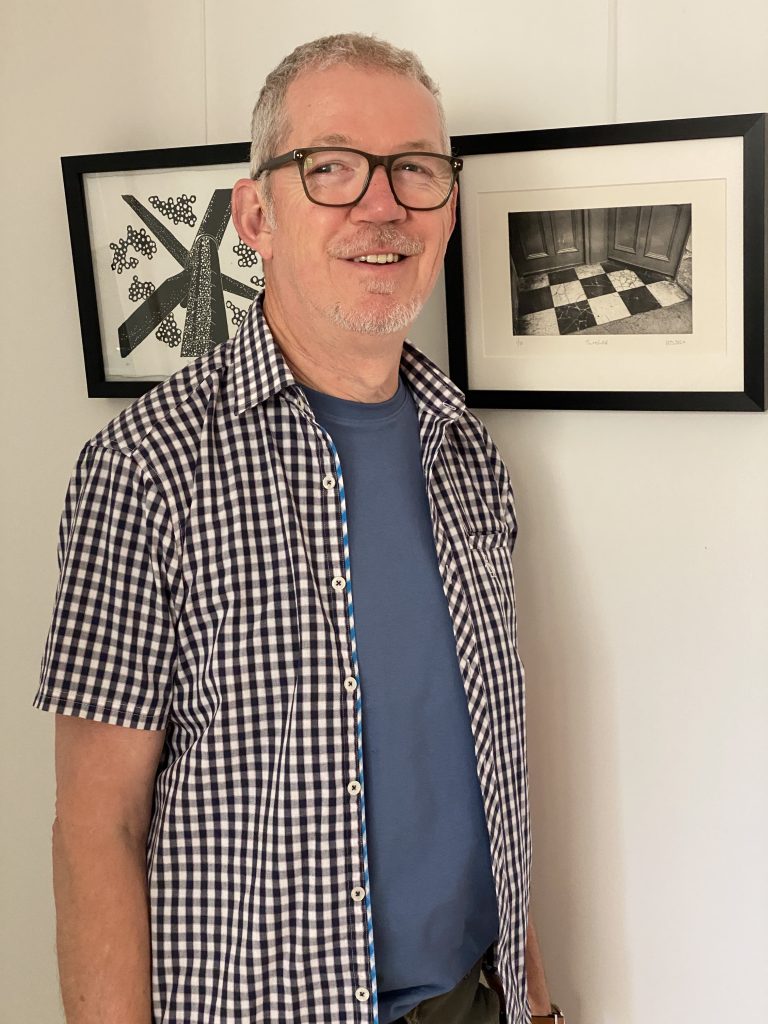
I’m an analogue photographer and printmaker — I shoot film, then turn the results into photopolymer etchings (photogravures), alongside linocuts, drypoints, and handmade photobooks.
I share the process on Instagram, and I’m a member of Birmingham Printmakers, where my work is regularly exhibited. I also write about cameras, film, and photobooks for 35mmc and on Substack.
I don’t think anyone really looks at photographs on a screen — or if they do, it’s brief and forgettable. So I print everything: through photopolymer etching and in photobooks and zines of my own making. If your images only live in the cloud, they’re already half-dead.
The Spark — early 1970s
It started when I was about ten. Our babysitter — a keen photographer — introduced me to black and white film, and my dad got hold of a developing tank and chemicals so we could process the negatives at home. I was hooked, not so much by the pictures themselves but by the magic of the process: you could make something with your own hands and hold it in minutes. That feeling never really left me.
Learning the Ropes — university, early 1980s
The real obsession kicked in at university, where I picked up a battered Zenit E — the classic cheap Soviet brick that half my generation cut their teeth on. It taught me the fundamentals before I traded up to an Olympus OM-1, bought secondhand at a tiny shop near London Bridge for £95 (a small fortune for a student). Small, black, and quietly brilliant, it became my third arm — for years I shot it with nothing but a humble 50mm 1.8.
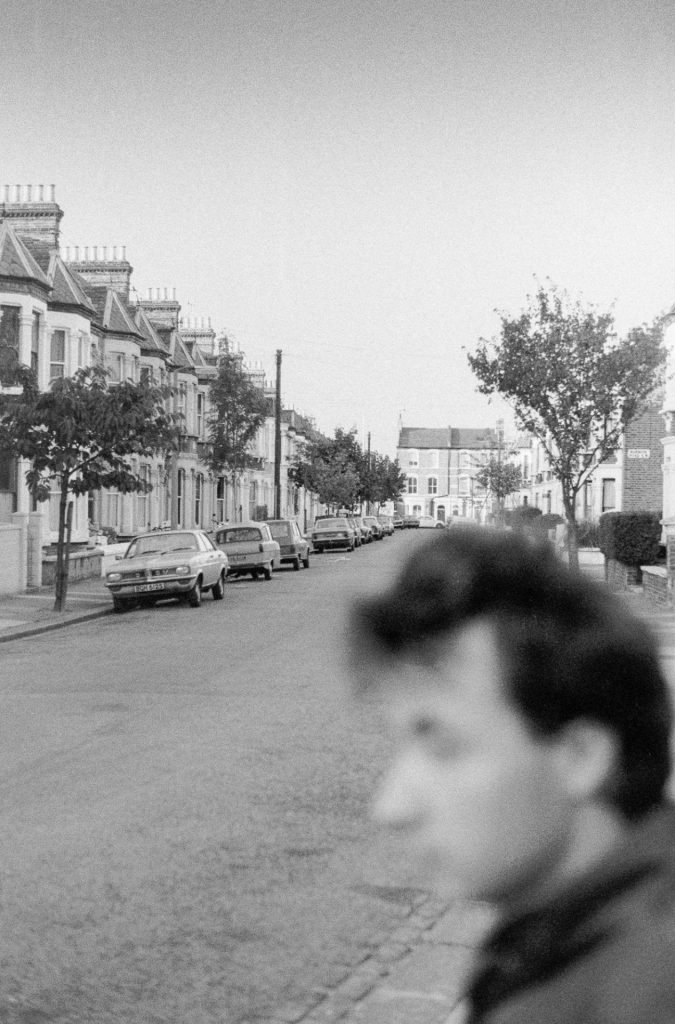
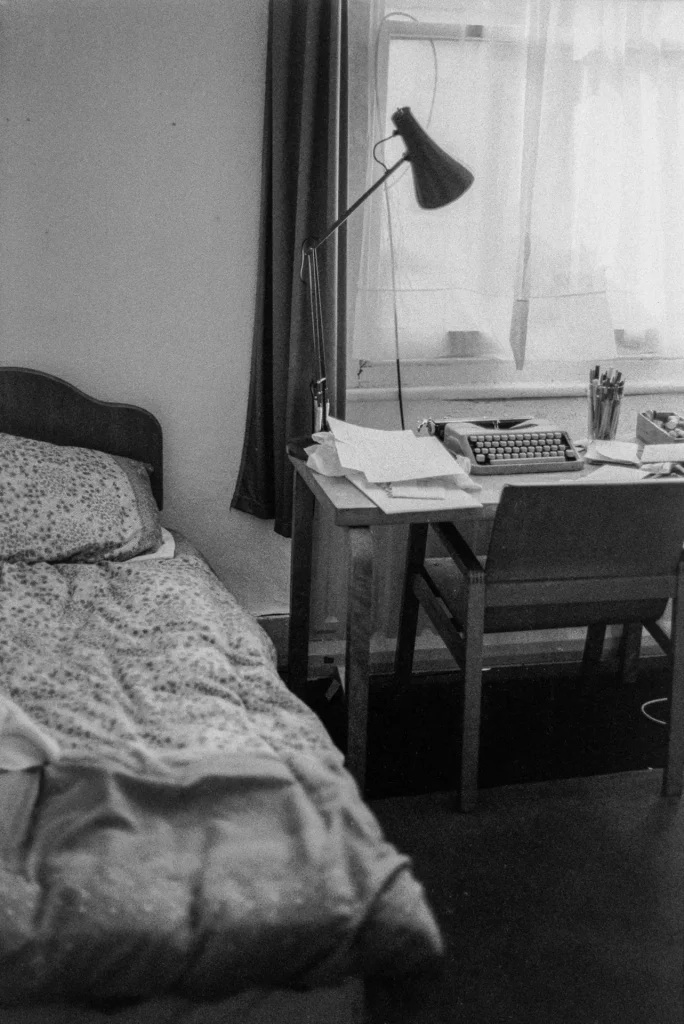
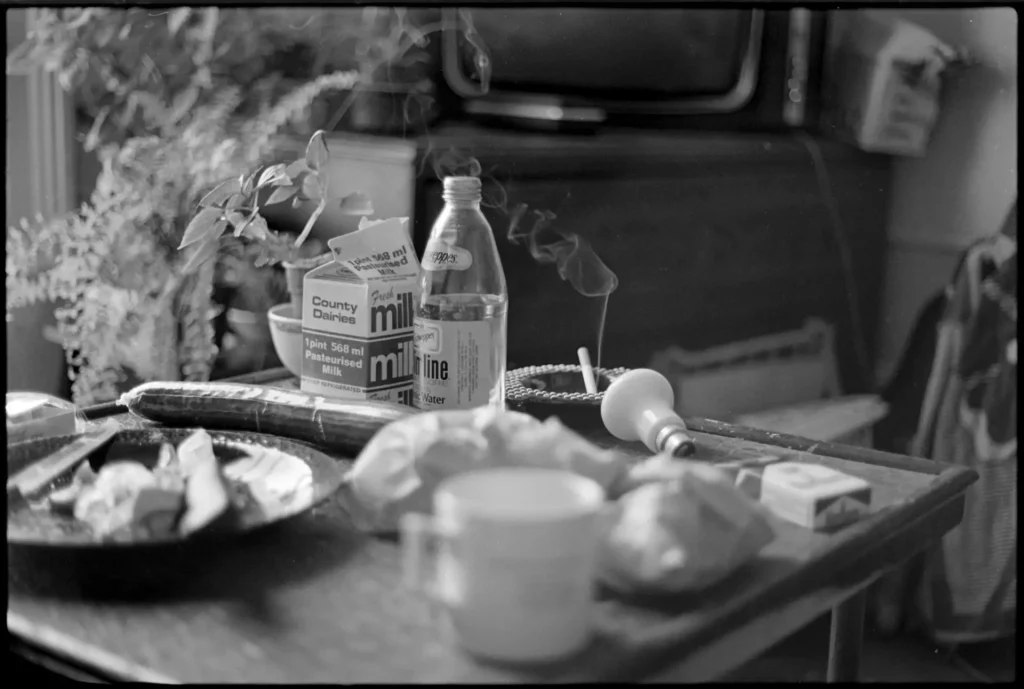
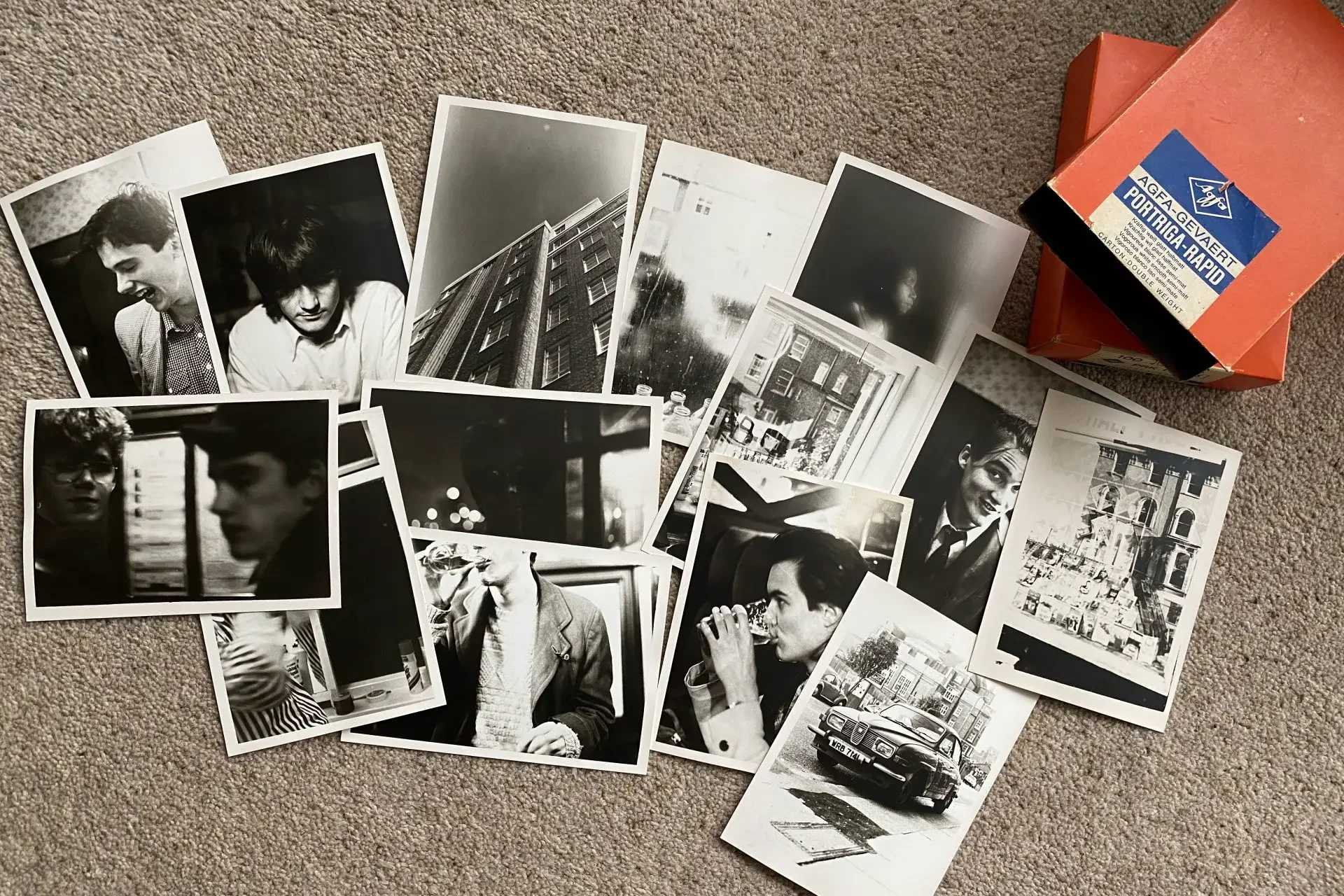
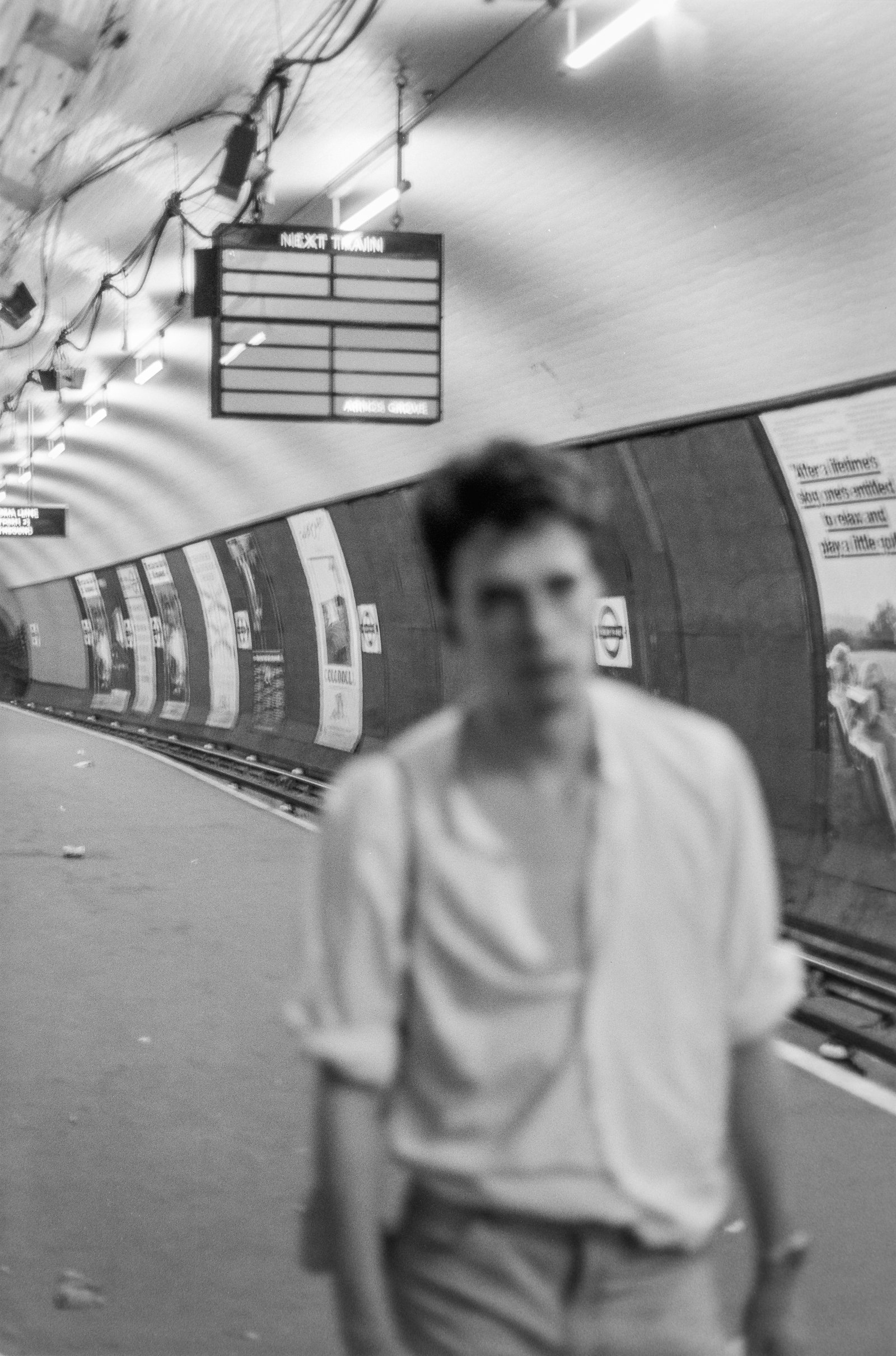
I was meant to be studying chemistry, but most of my education happened on Saturdays: freshly washed jeans dried (or not) over the electric fire, then off into London to haunt every photography exhibition I could find. I bought film in bulk and loaded my own cassettes, rented darkroom time at the Photographers’ Gallery on Great Newport Street, and eventually bought my own enlarger — somehow getting it home on the Tube. It ended up wedged into the kitchen of a flat above a hairdresser’s, only usable once everyone else had gone to bed.
The Unselfconscious Years
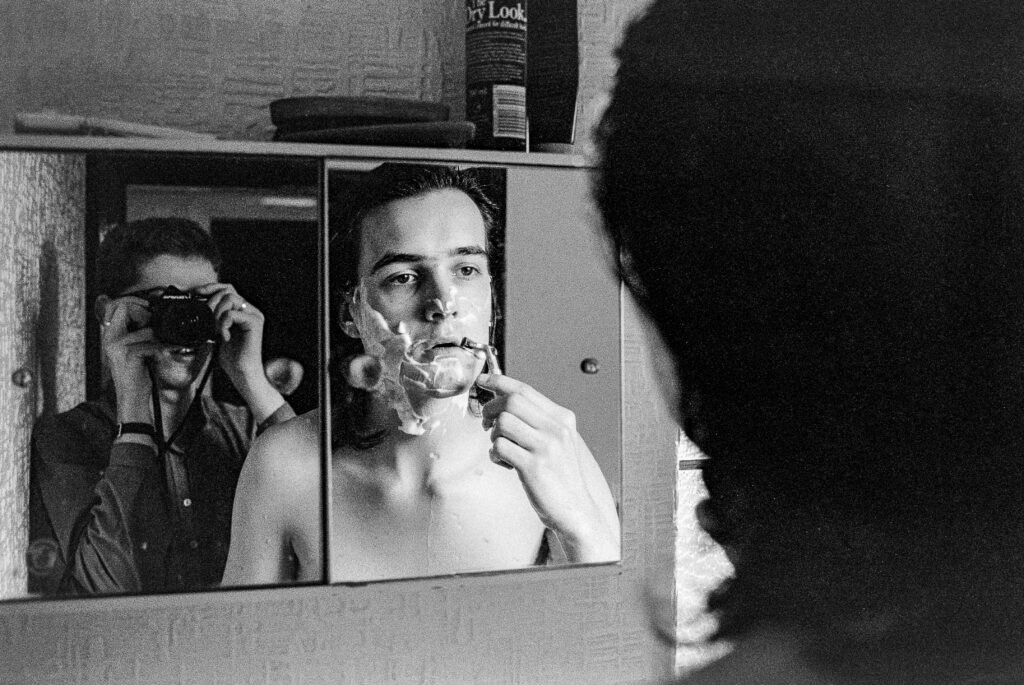
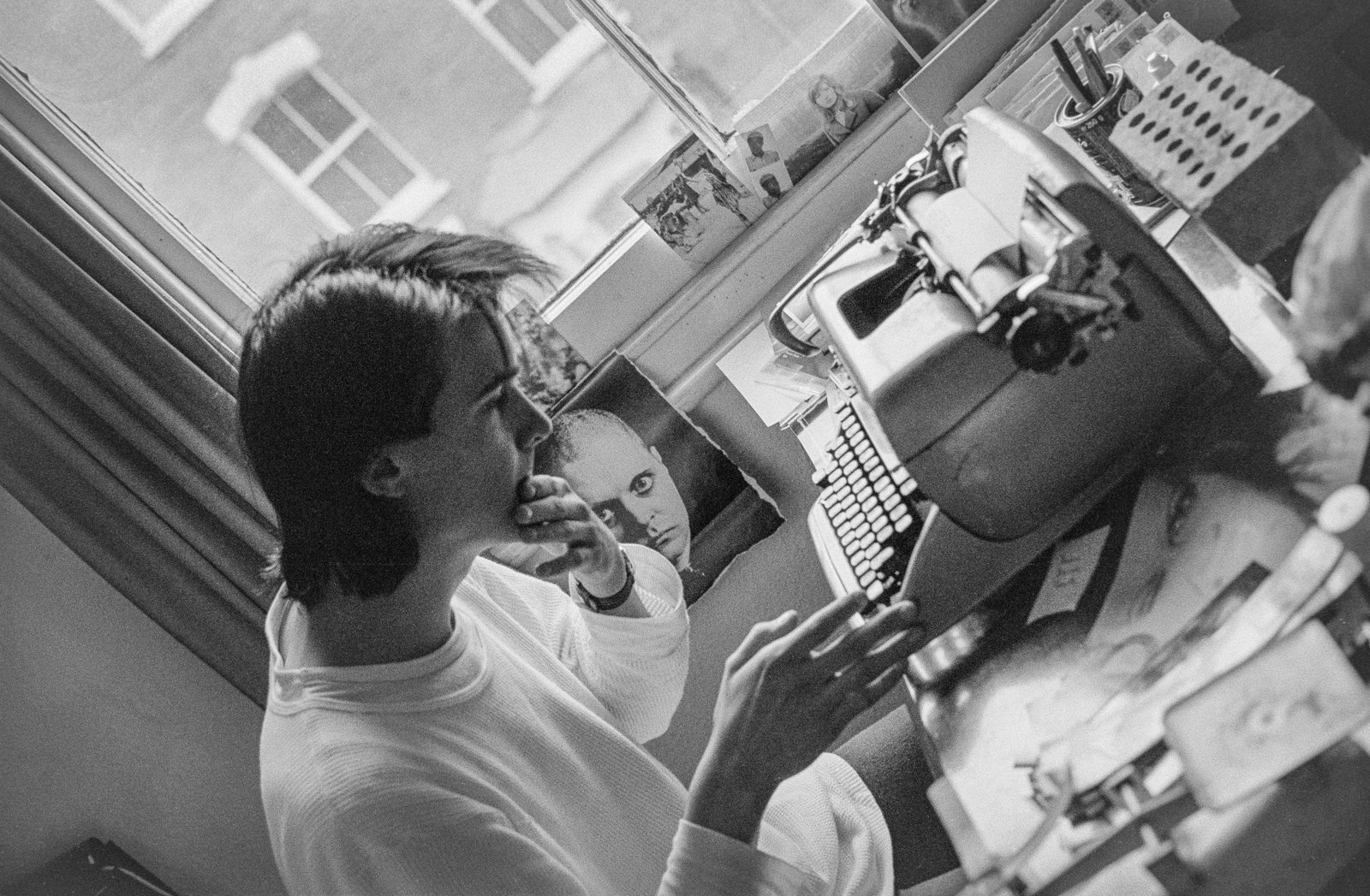
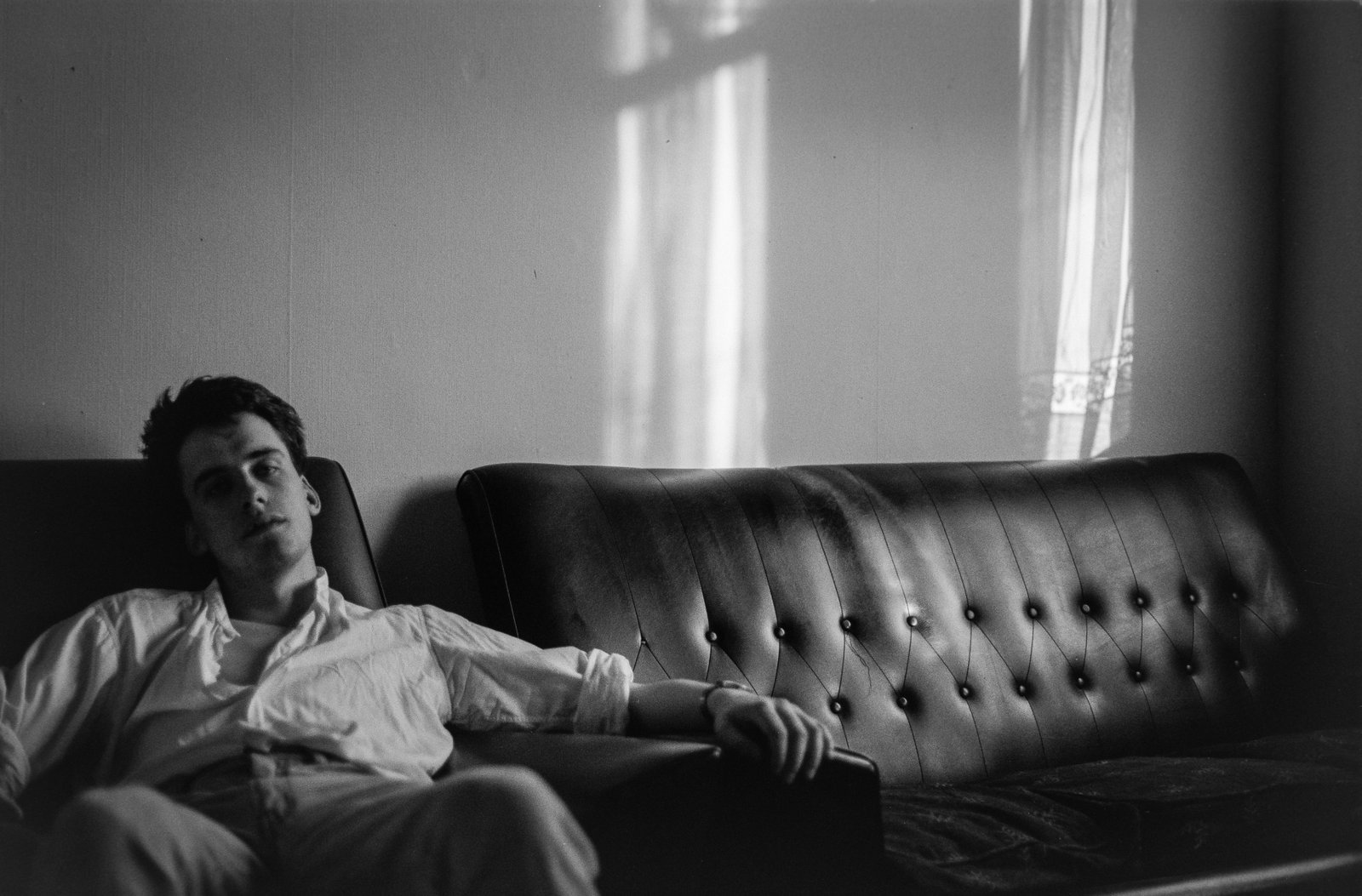
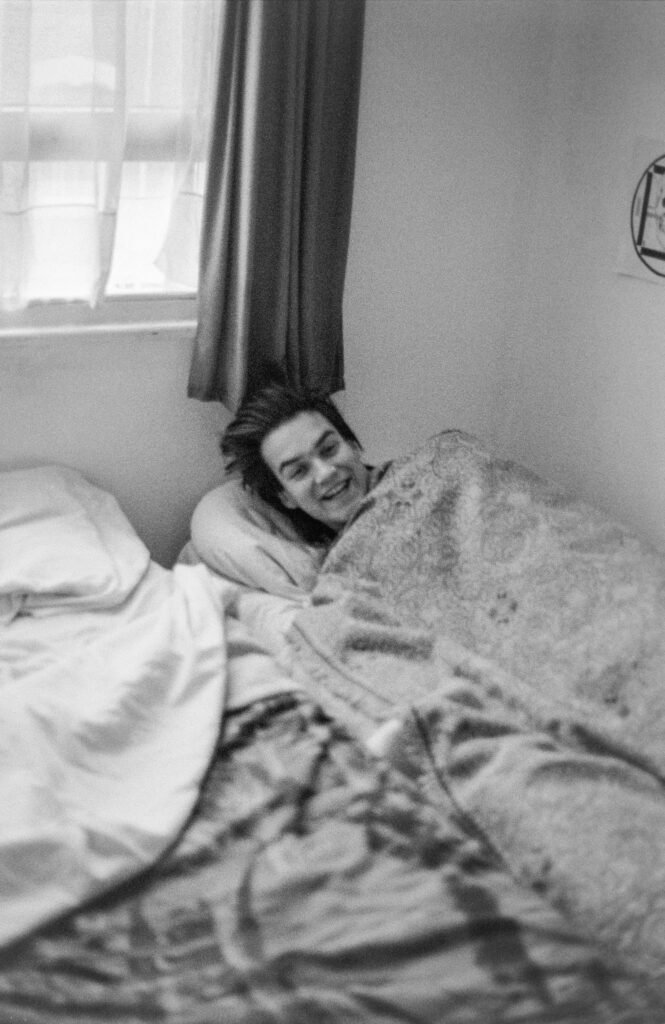
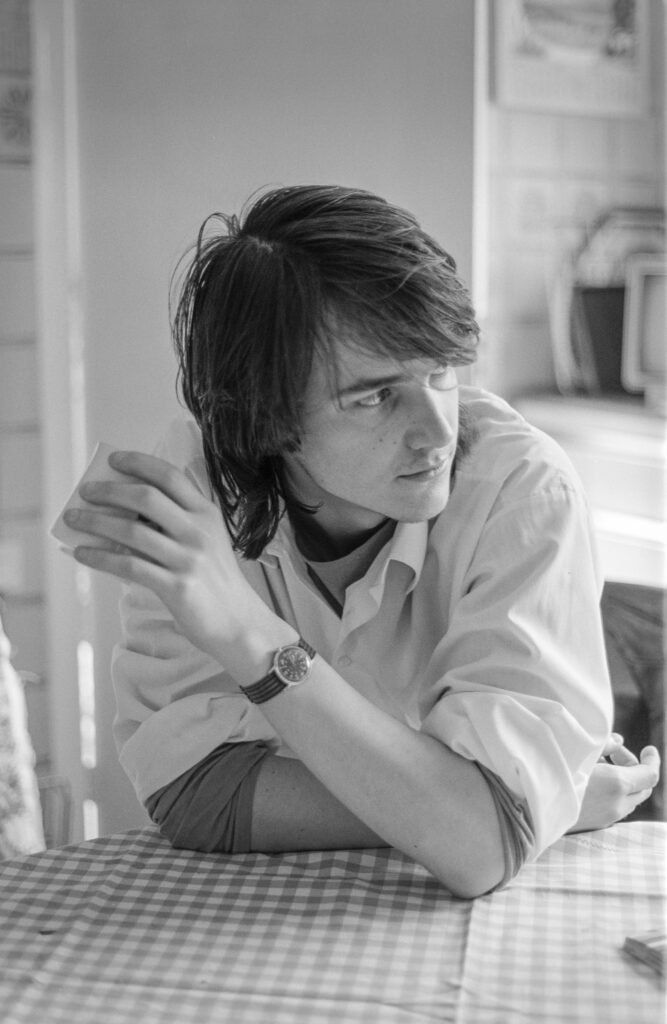
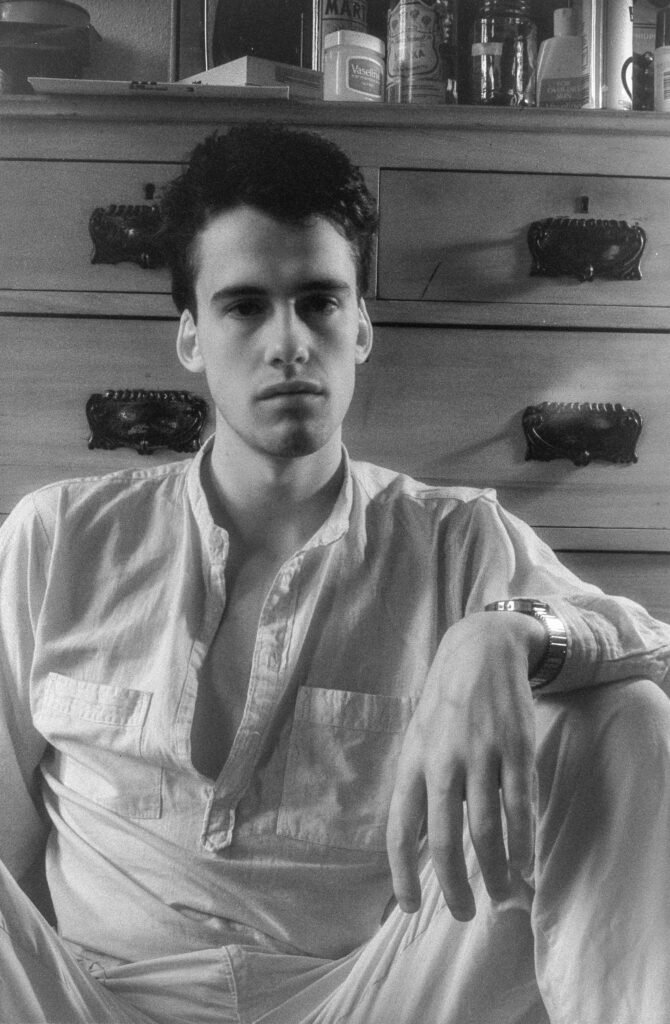
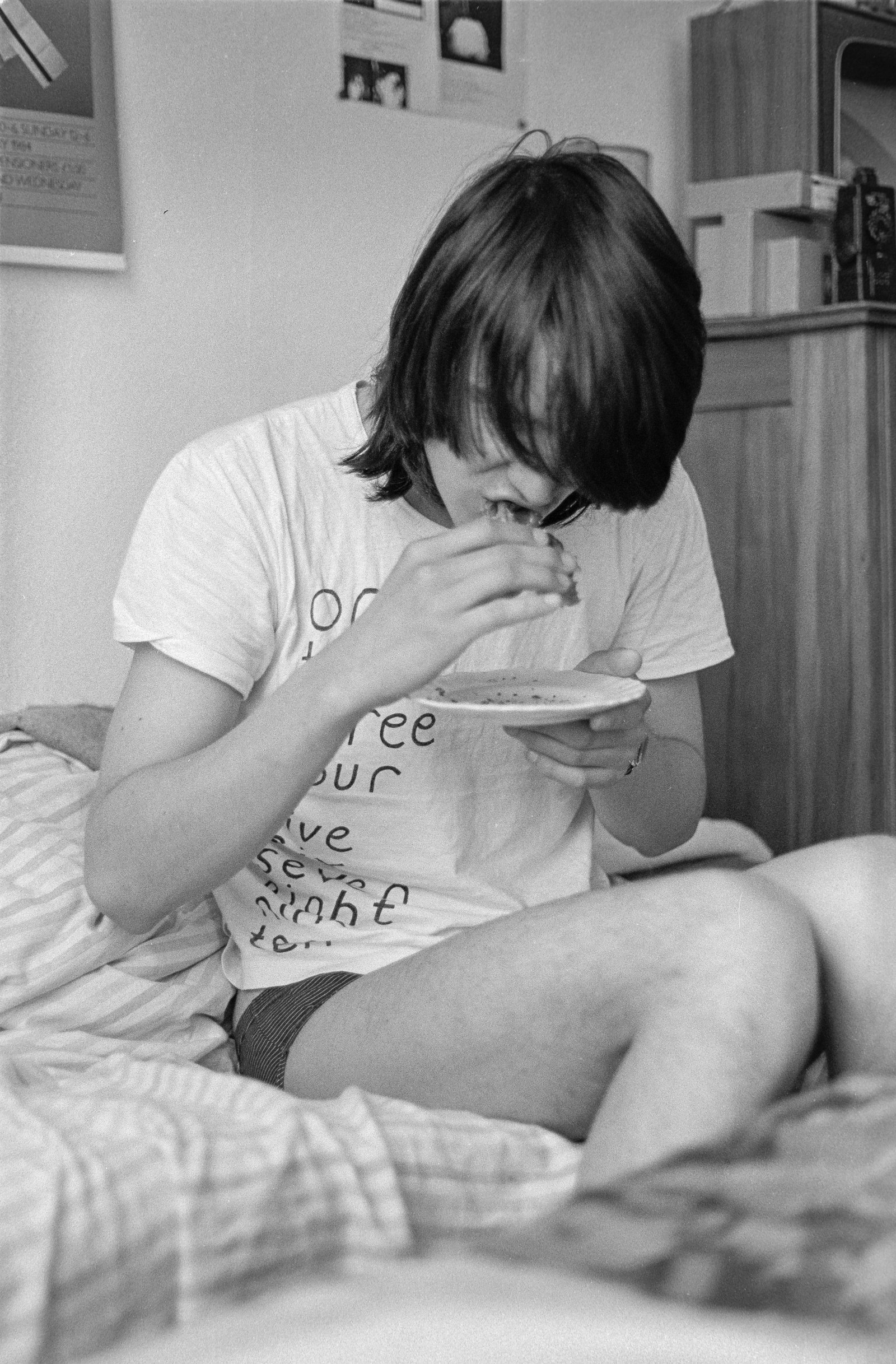
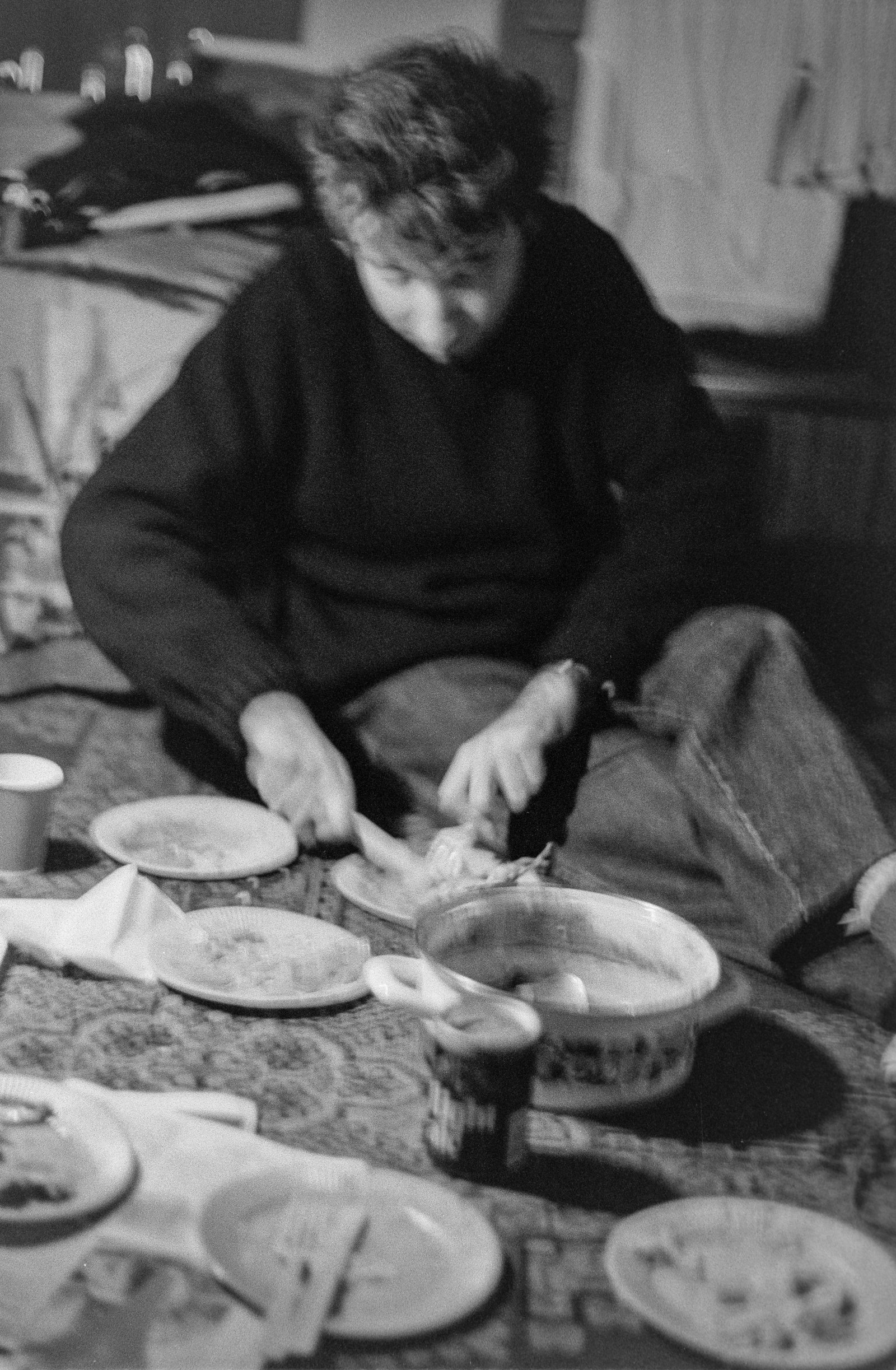
Looking back at the photos from this period, what strikes me most is how unselfconscious everyone was. Being photographed was just expected, so people relaxed into it — and that’s a big part of why those pictures still hold up. It also taught me something I’ve carried ever since: the ordinary, unremarkable moment you photograph today won’t look ordinary at all in twenty years.
Family Life and a Long, Quiet Plateau
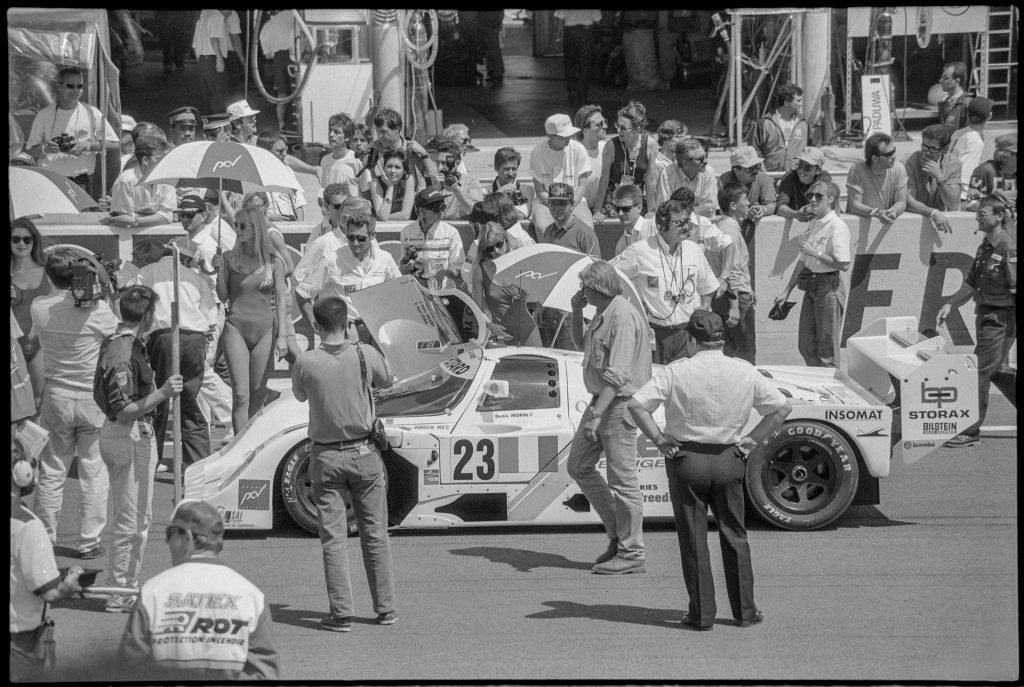
As friends gave way to family, the photography drifted from black and white back to colour, and from home darkroom back to the local lab. For an almost absurdly long stretch — right through to the early 2000s — the only camera I owned was still that same Olympus OM-1 and 50mm lens, occasionally joined by something more specialised (a zoom lens for Le Mans, notably). Eventually a bit more disposable income arrived, and with it a long-coveted Nikon F3.
Going Digital — mid-2000s to mid-2010s
Like everyone else, I made the leap to digital: a few decent point-and-shoots (one bought on a San Francisco business trip), a work phone with a “novelty” built-in camera circa 2005, and eventually a Canon 5D with a hefty 35–70mm zoom that I lugged around for years. I downsized to an Olympus Micro Four Thirds camera — smaller, lighter, still digital.
The Pull Back to Film
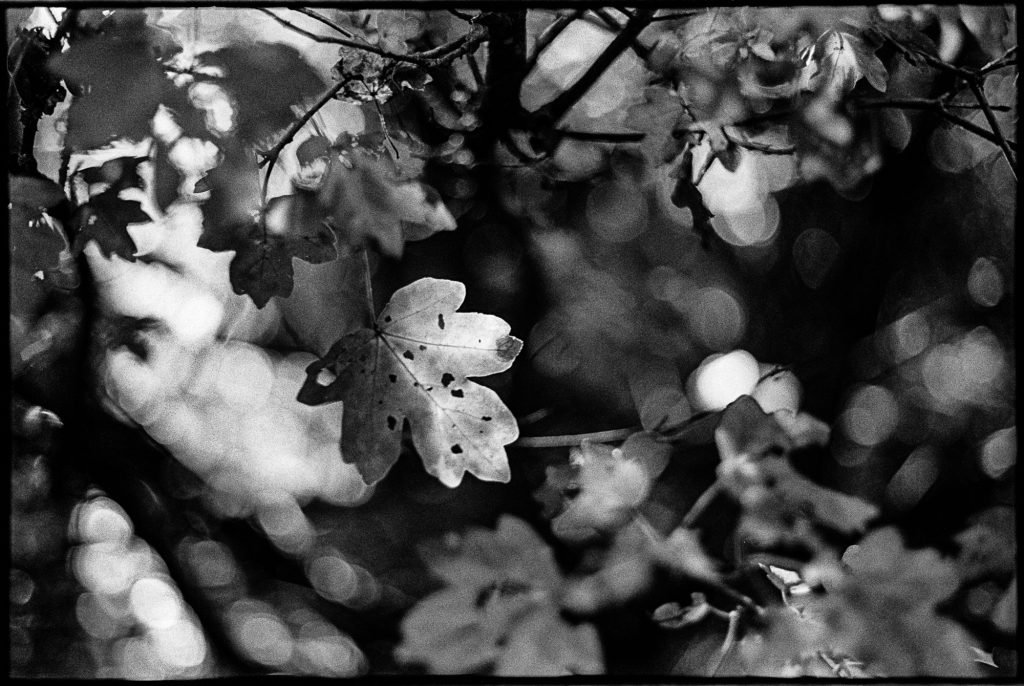
Then something odd happened: I caught myself in Lightroom trying to make digital files look like black and white film. That was the moment I realised film had never really let go of me. I sold the digital kit and bought an old Nikon FM2, picked up my long-dormant film-developing gear, and dusted off the shoebox-sized negative scanner I’d kept from years before.
Full Circle — today
Around this time I started writing for the 35mmc website, which led me down a rabbit hole of beautiful old cameras — and a ruthless declutter of things I knew I’d never return to (RIP, bass guitar). That clearout funded a 1950s Leica M3: fully mechanical, no light meter, about as far from a smartphone as a camera can get.
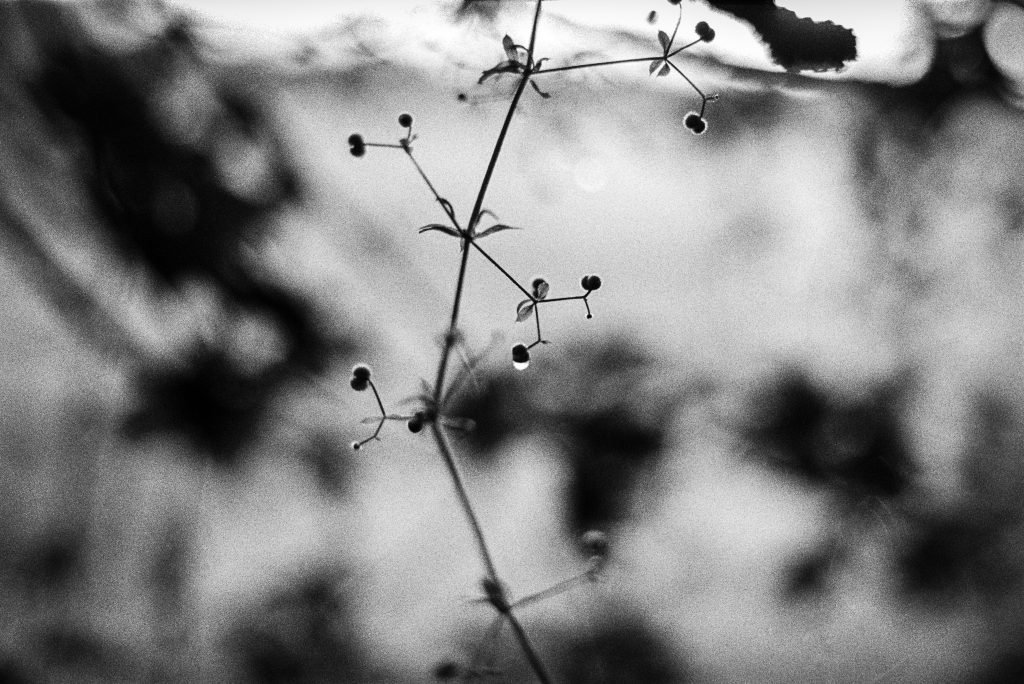
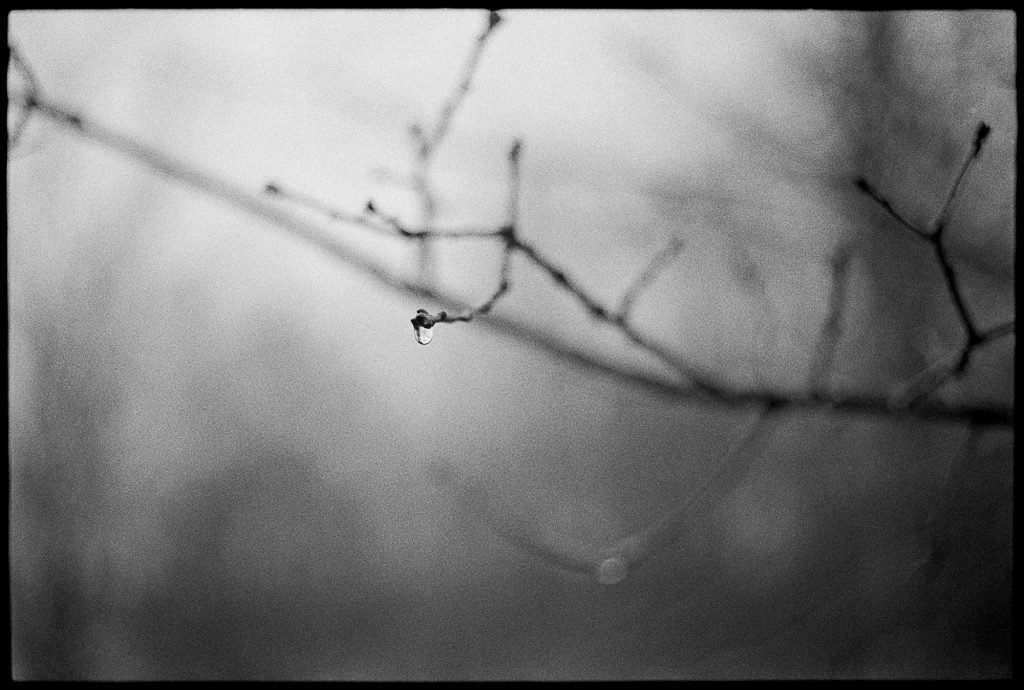
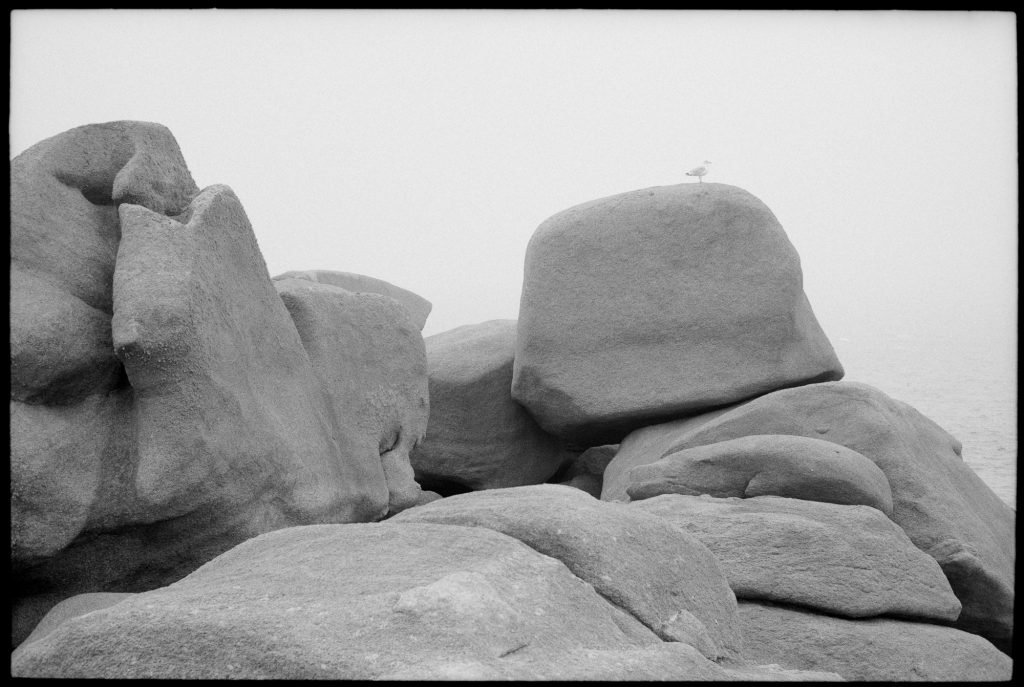
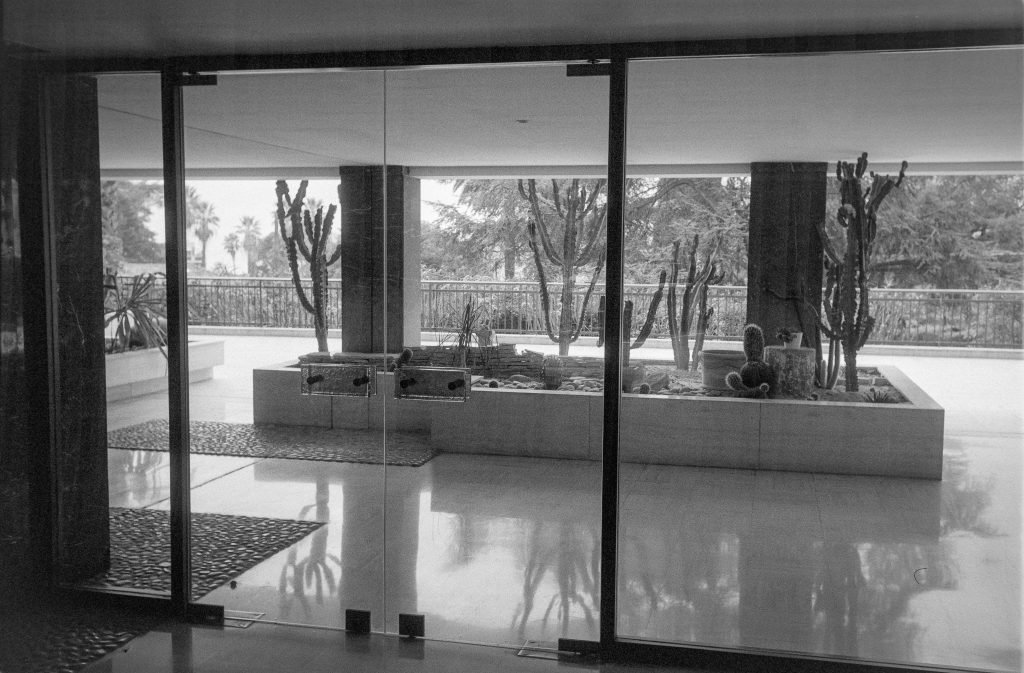
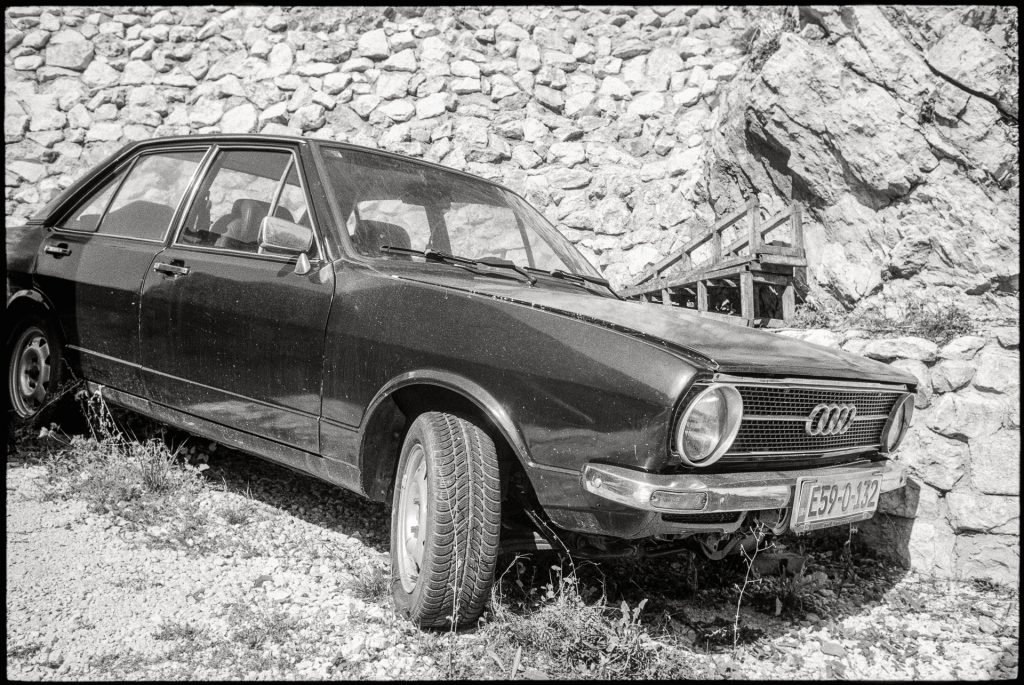
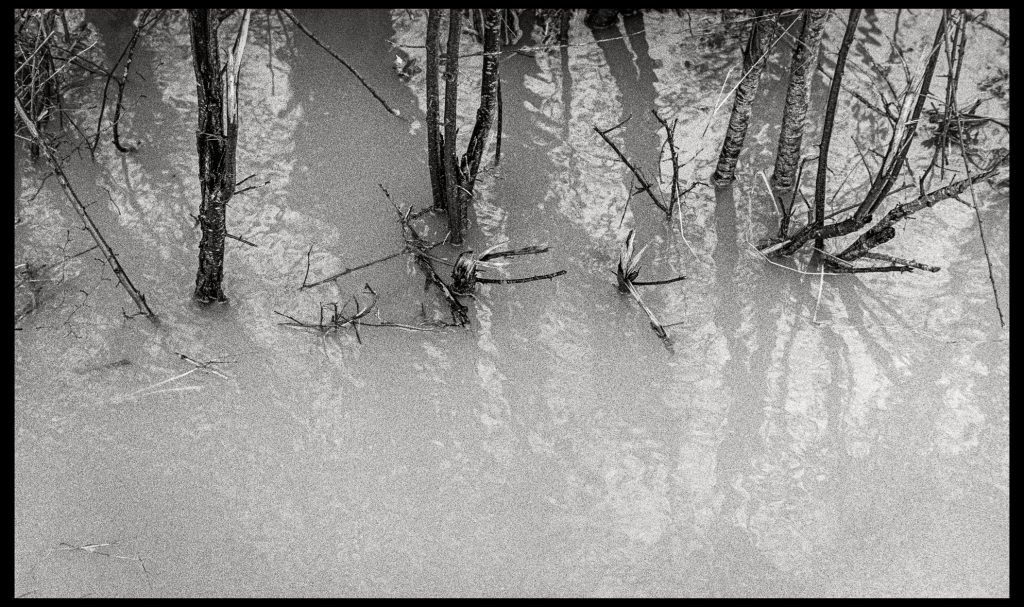
These days the M3 is my only camera, paired with a 35mm lens I’ve more or less standardised on. The sole concession to digital is a Nikon on a copy stand, used purely for scanning negatives — and the original OM-1 still sits in the cupboard. I could never quite bring myself to sell it.
Which Brings Me to Etching
My return to film wasn’t just about the camera in my hand — it was about wanting a hands-on, physical way of making prints again. I tried going back to a conventional darkroom, but it didn’t click the way it once had. Then, at a big print show in London, I stumbled across photopolymer etching almost by accident — and that was it. This was how I wanted to turn photographs into something you could actually hold: ink, pressure, paper, and a plate you’ve made yourself. I haven’t looked back since.
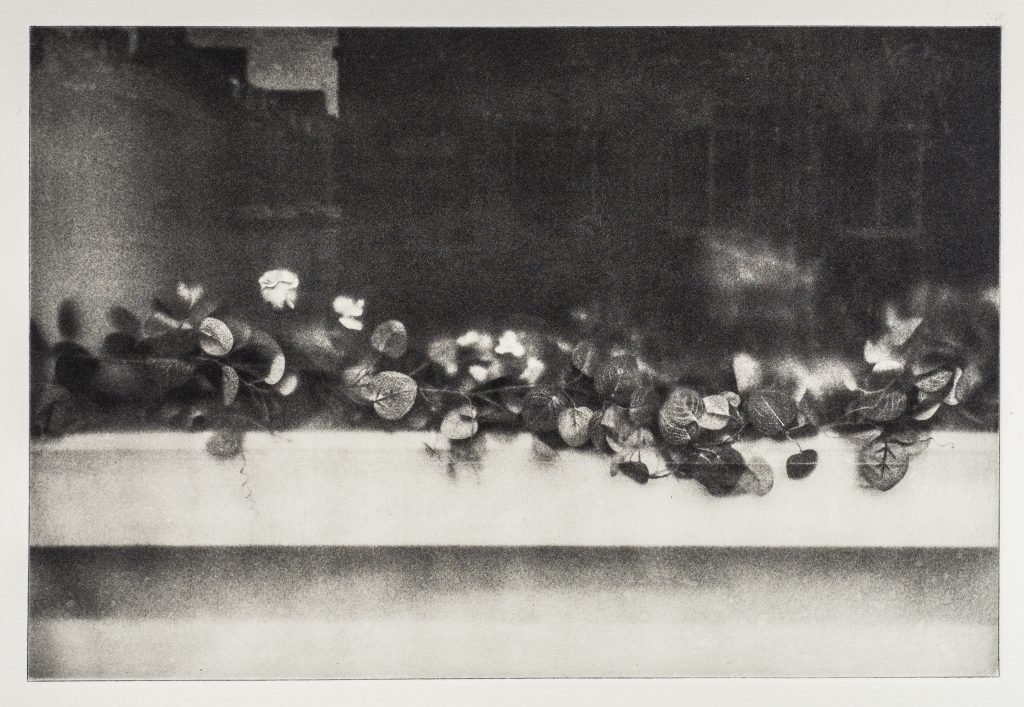
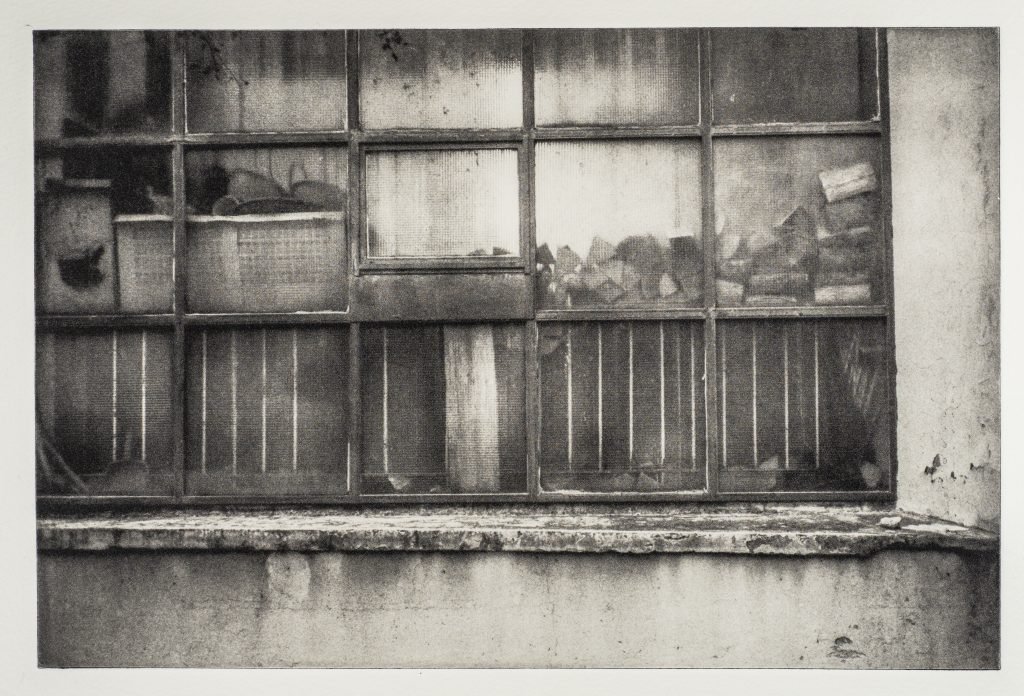
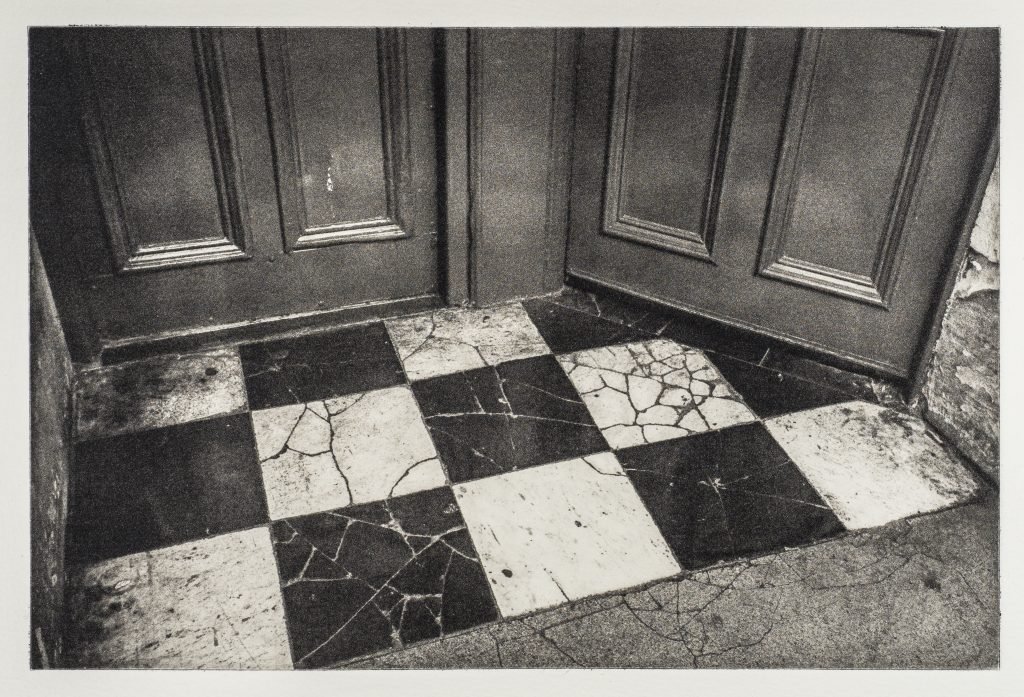
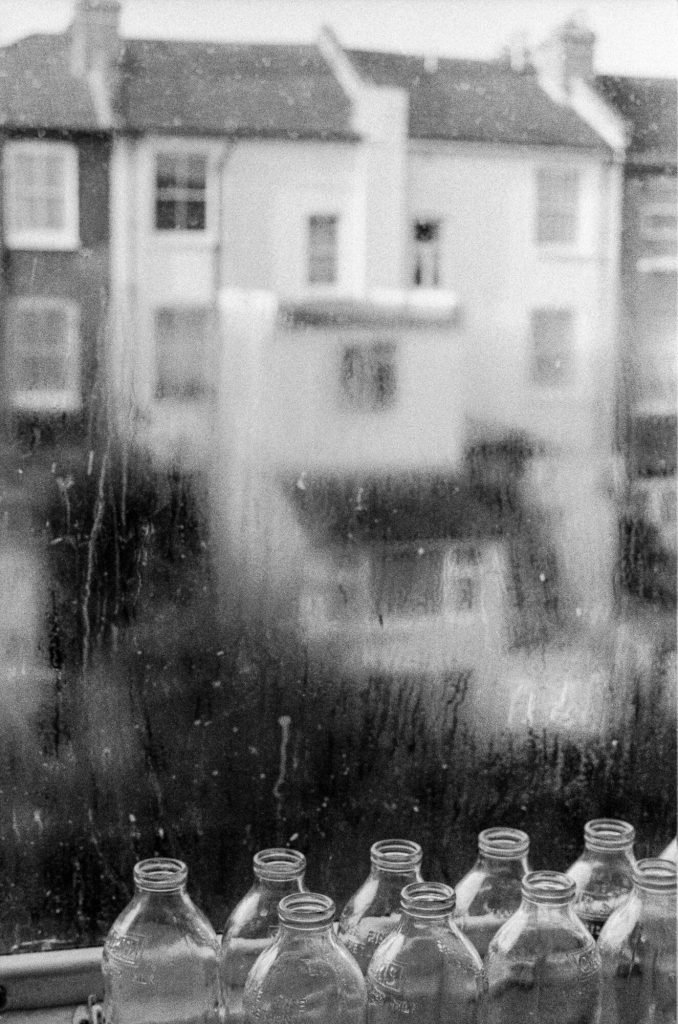
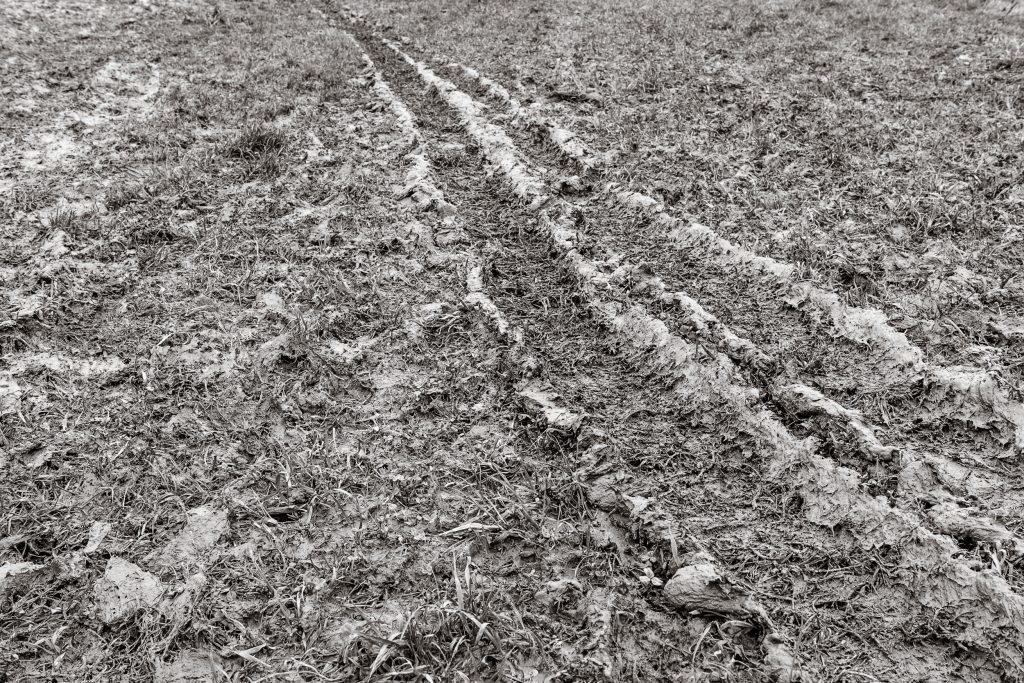
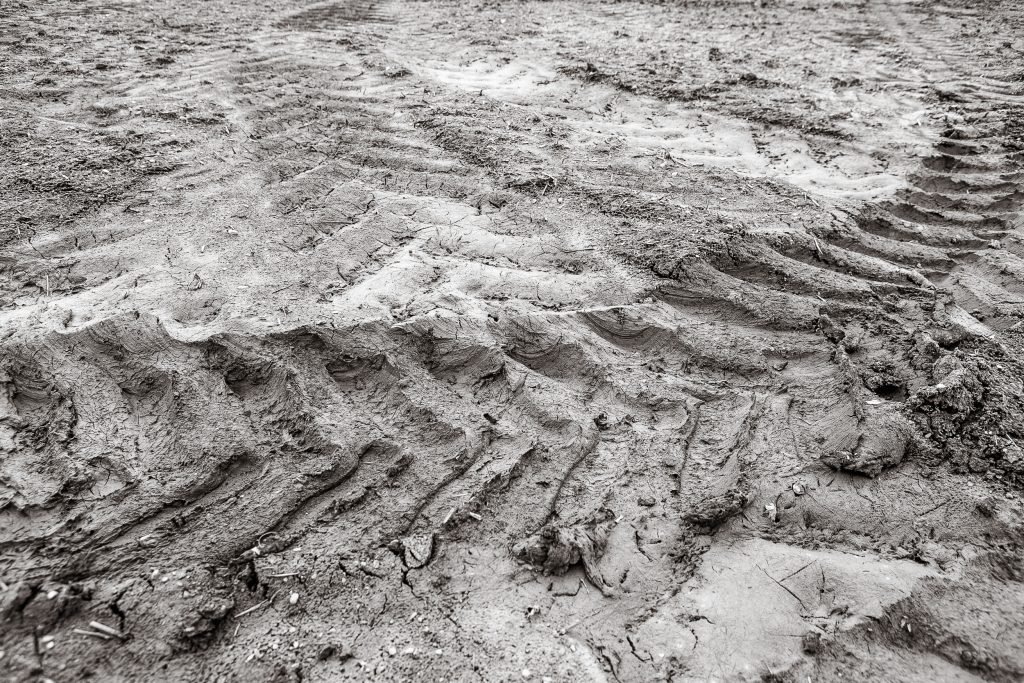
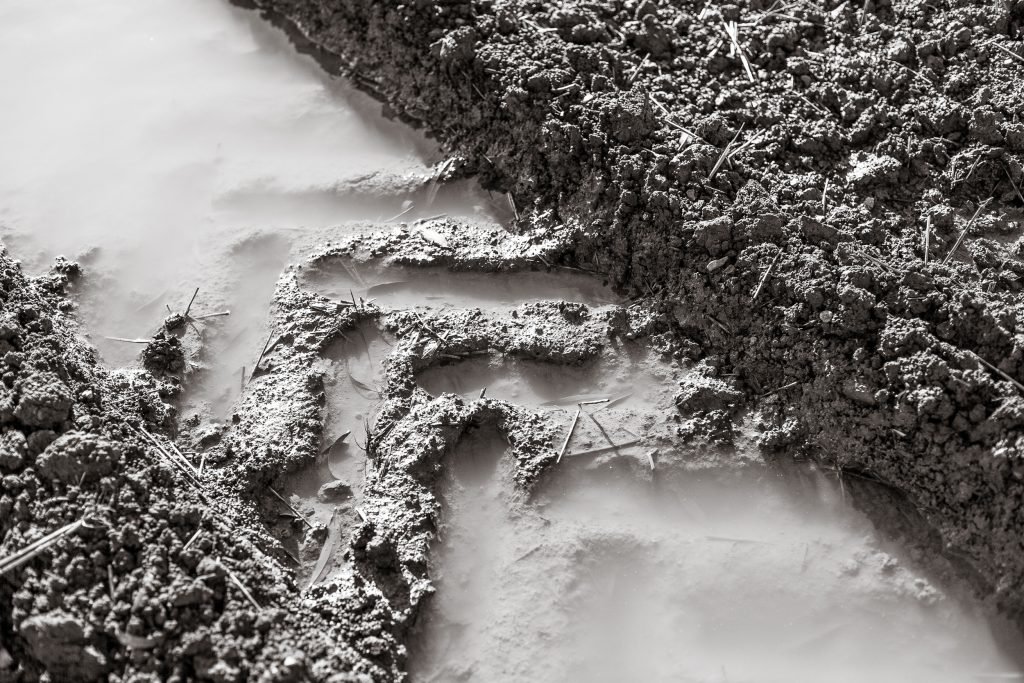
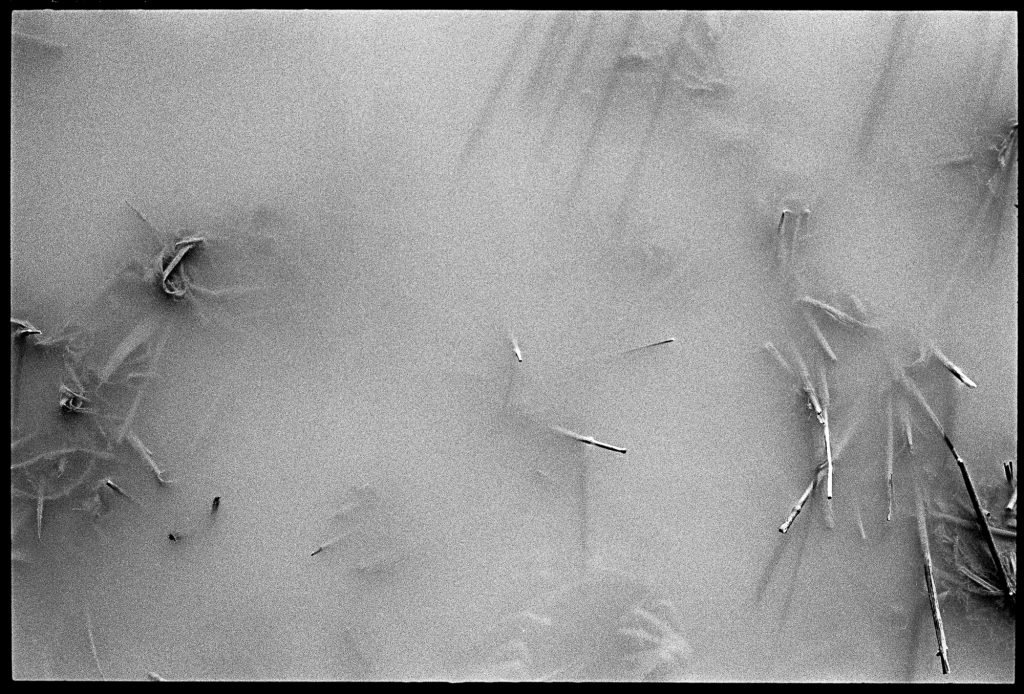
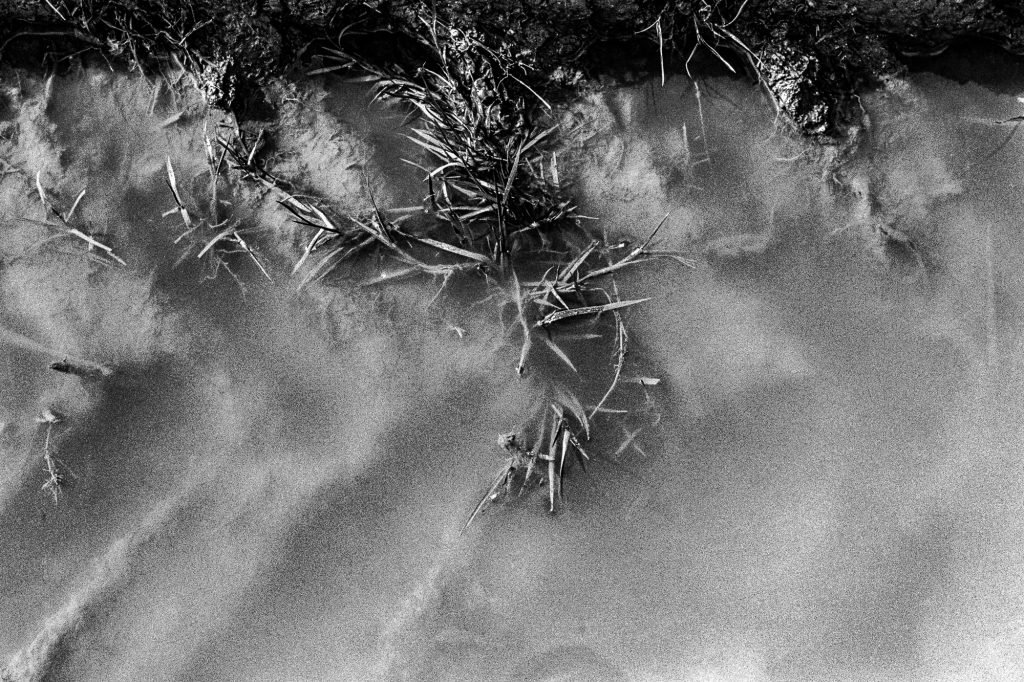
These days that practice keeps pulling me toward the same handful of subjects — muddy puddles, obscured windows, worn walls, thresholds of one kind or another. Surfaces that hide as much as they reveal. It turns out fifty years on, I’m still chasing the same thing that hooked me as a ten-year-old: the strange satisfaction of making something tangible that you can hold in your hand out of what you notice.