Nik Stanbridge
Analogue photography and printmaking
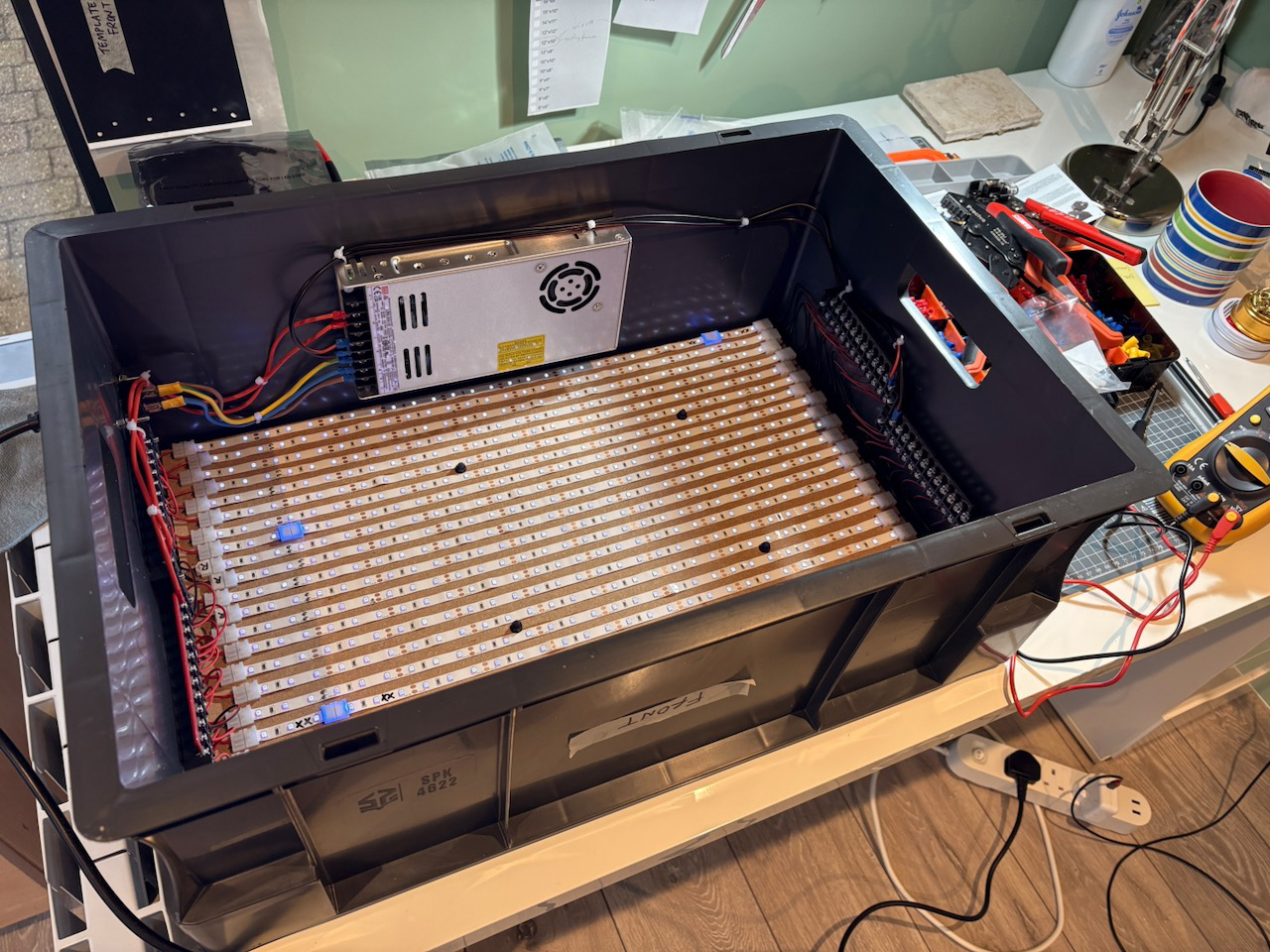
A simple guide to building an inexpensive, no-frills LED exposure unit for photopolymer etching (photogravure) and many alt-photographic processes. It includes a discussion of the design decisions I made as well as the goals of the project and it’s all based on a real-world build. With lots of photos!
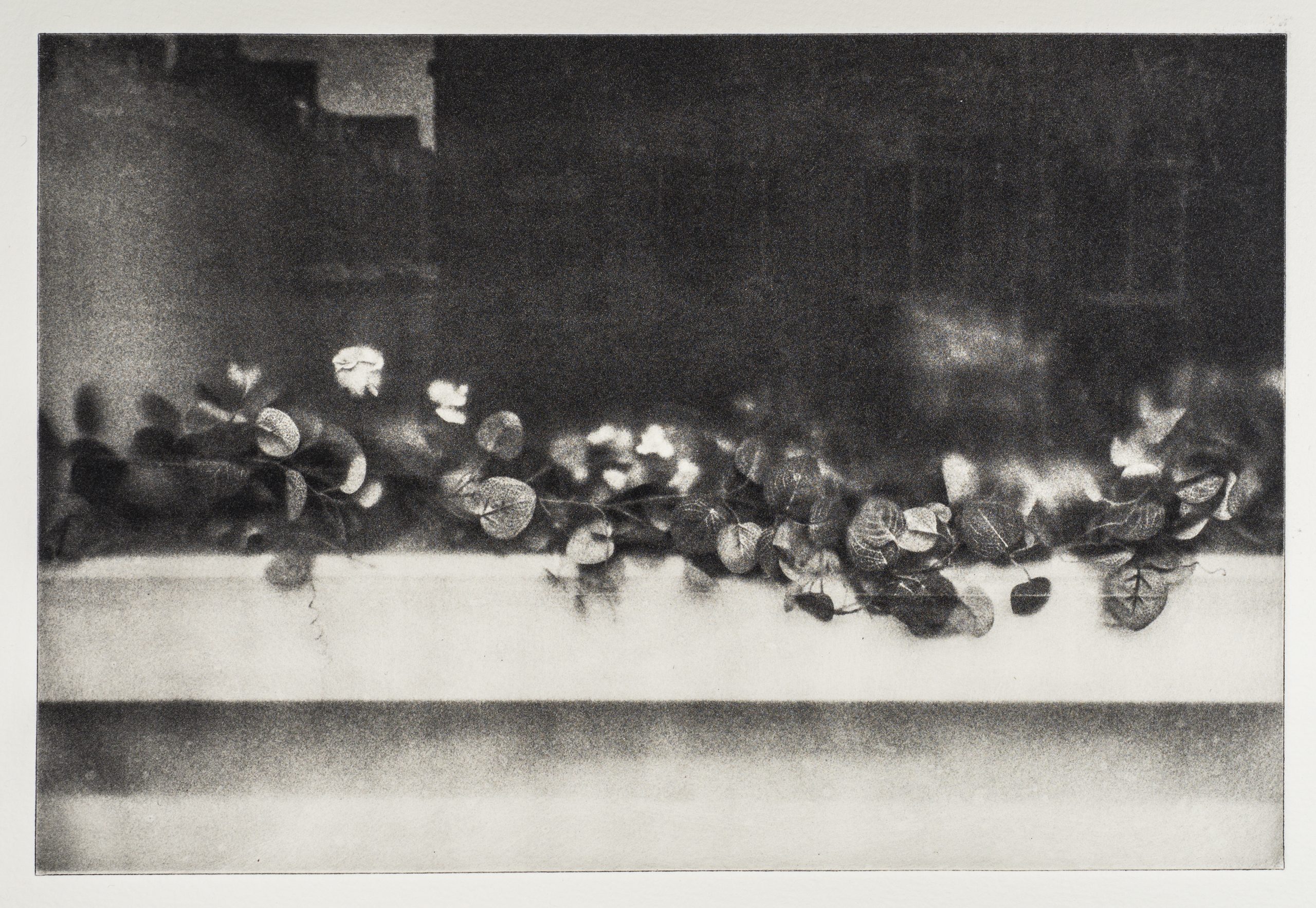
When I thought I’d perfected my process of producing polymer photogravure printed (photopolymer etchings), I was so excited that I wrote this article. It turned out that I hadn’t quite mastered it, but I was, am, an evangelist nine the less.
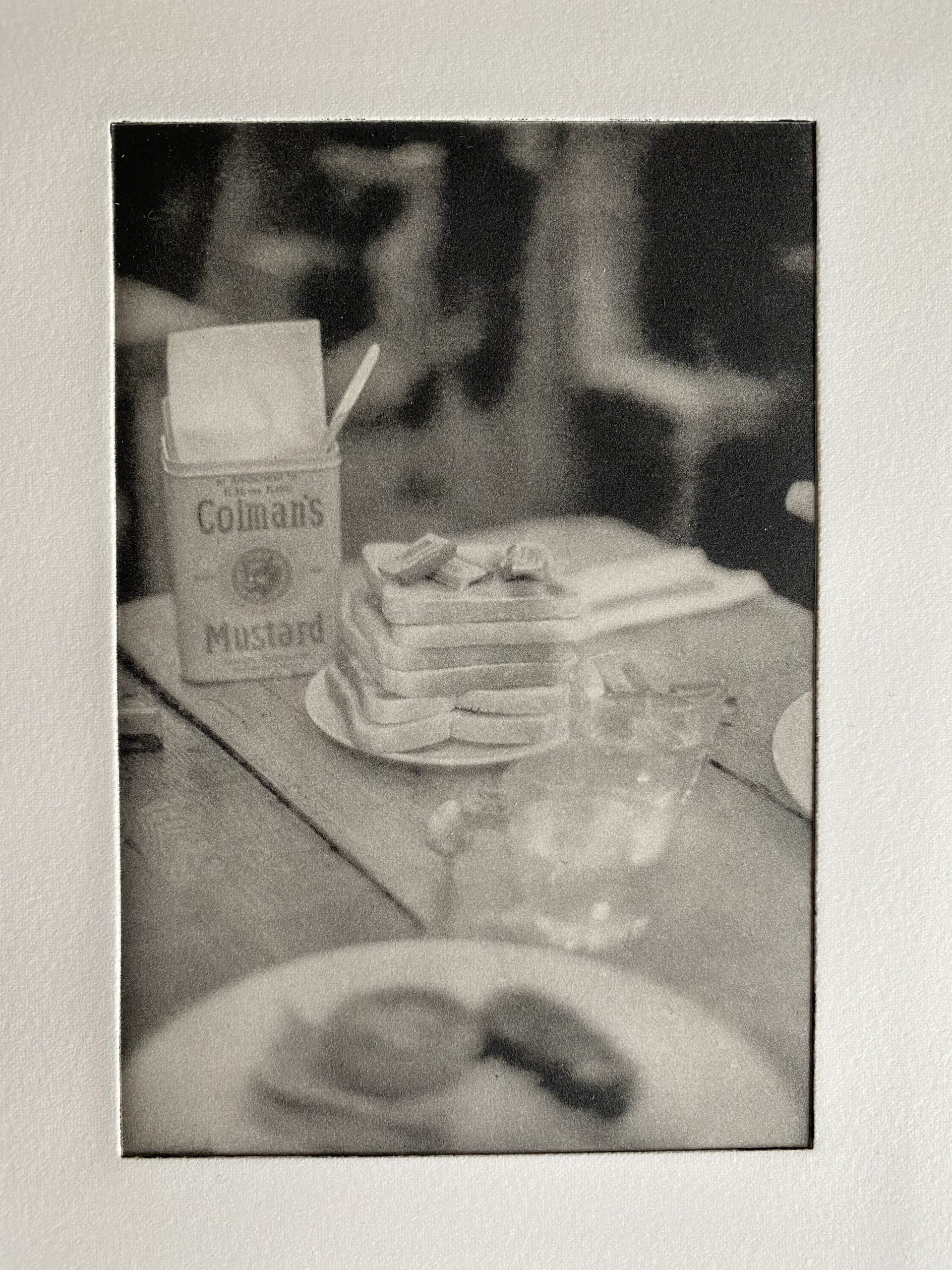
To recap, I went through the Easy Digital Negatives (EDN) process and produced an adjustment curve that had the right shape and produced some real world prints but the results were washed out and contrasty. To say I was crestfallen and dumbfounded would be an understatement. Producing some prints was very uplifting but not knowing…
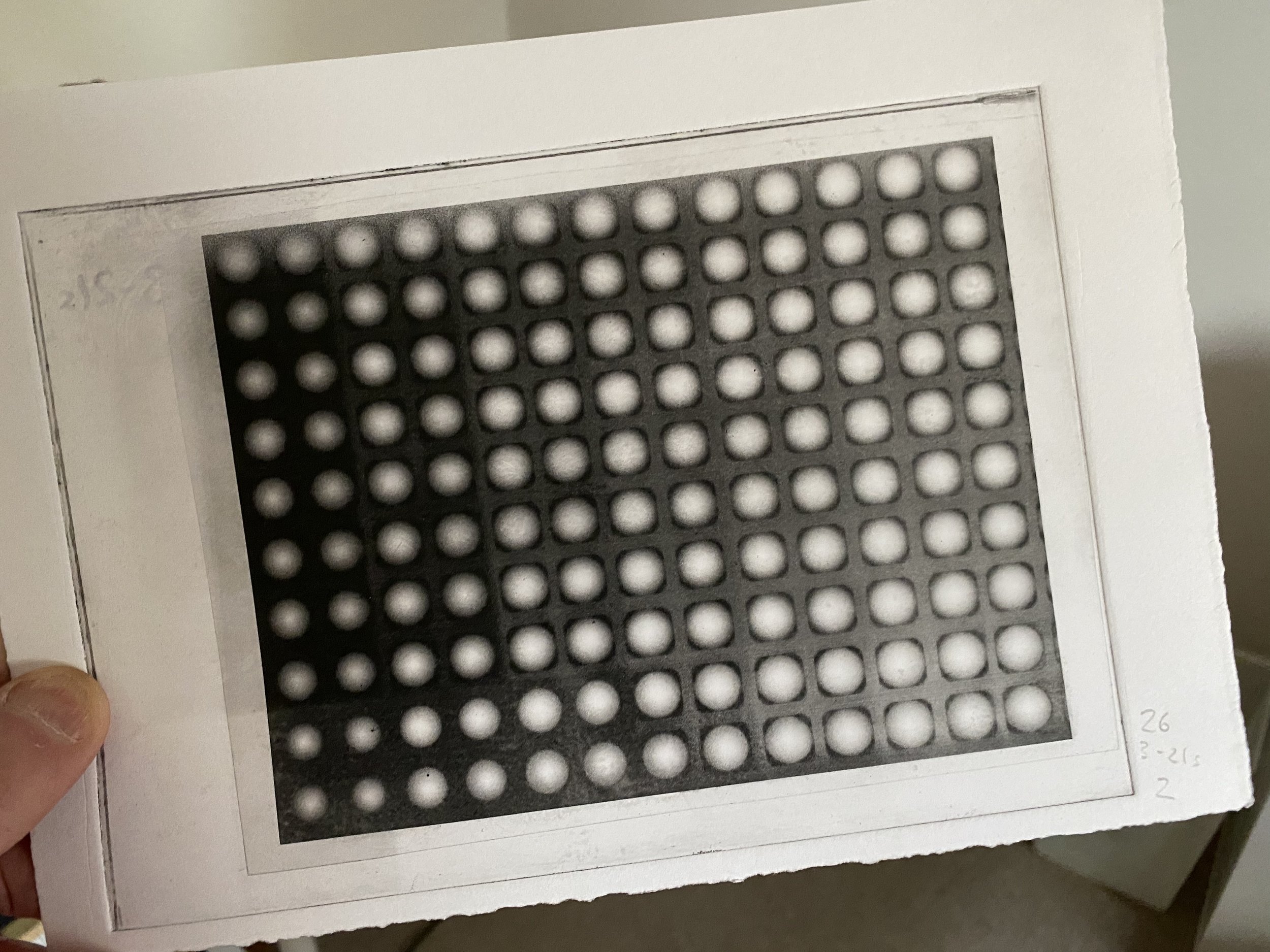
I persevered all I could with Clay Harmon’s methodology for establishing aquatint screen exposure time (or at least a ballpark time). In the end, I gave up because I decided I didn’t really know what he meant by exposing a Stouffer tablet until all the steps wash out to bare metal. I was up to…
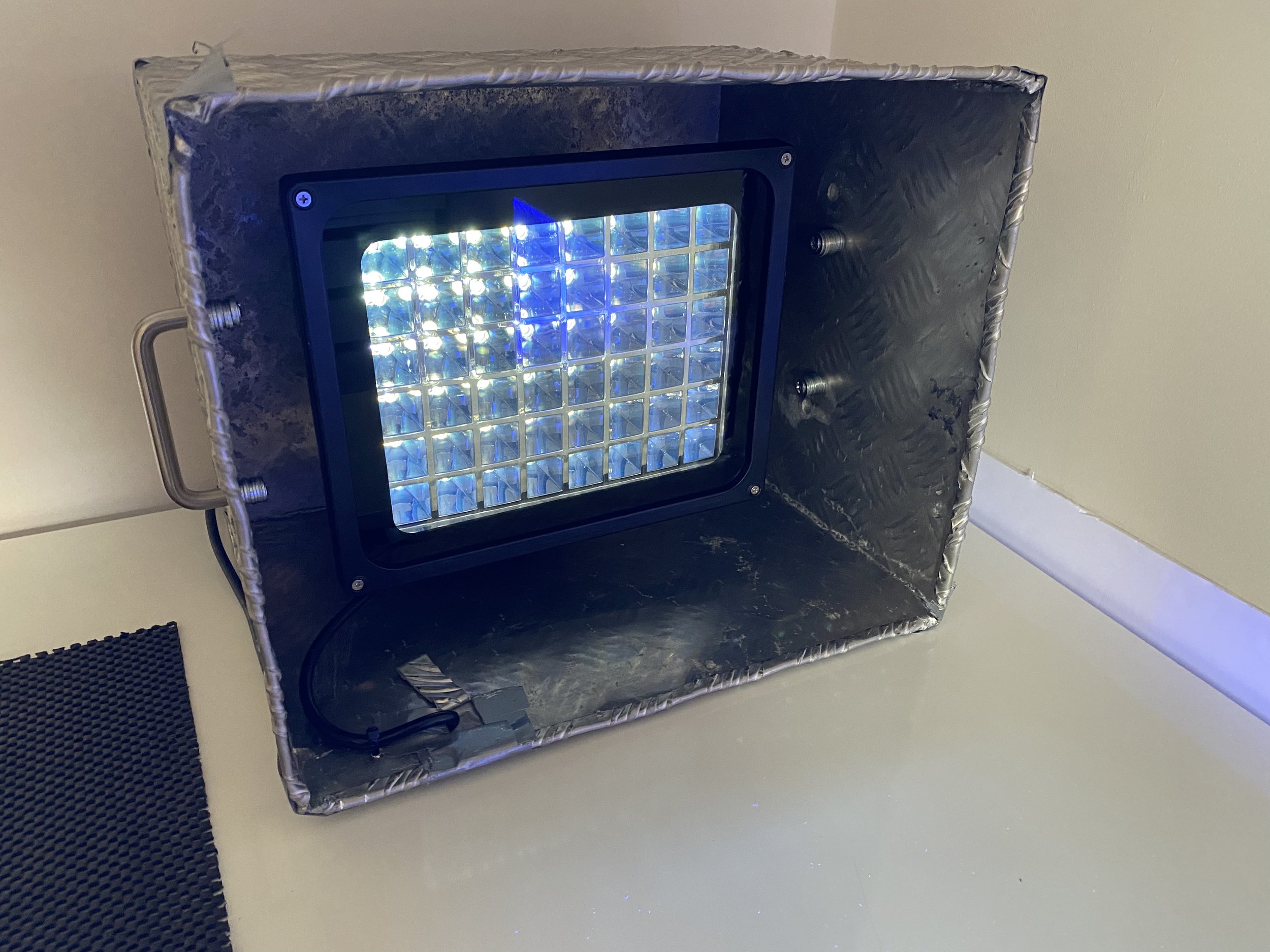
At this point I decided to build my own UV exposure unit for the following reasons: All of these factors were true apart from the one relating to cost. The inexpensive LED light sources I’d seen online were in the wrong nanometer UV range. They were in the 385-400nm range (for different types of UV-sensitive…