Nik Stanbridge
Analogue photography and printmaking
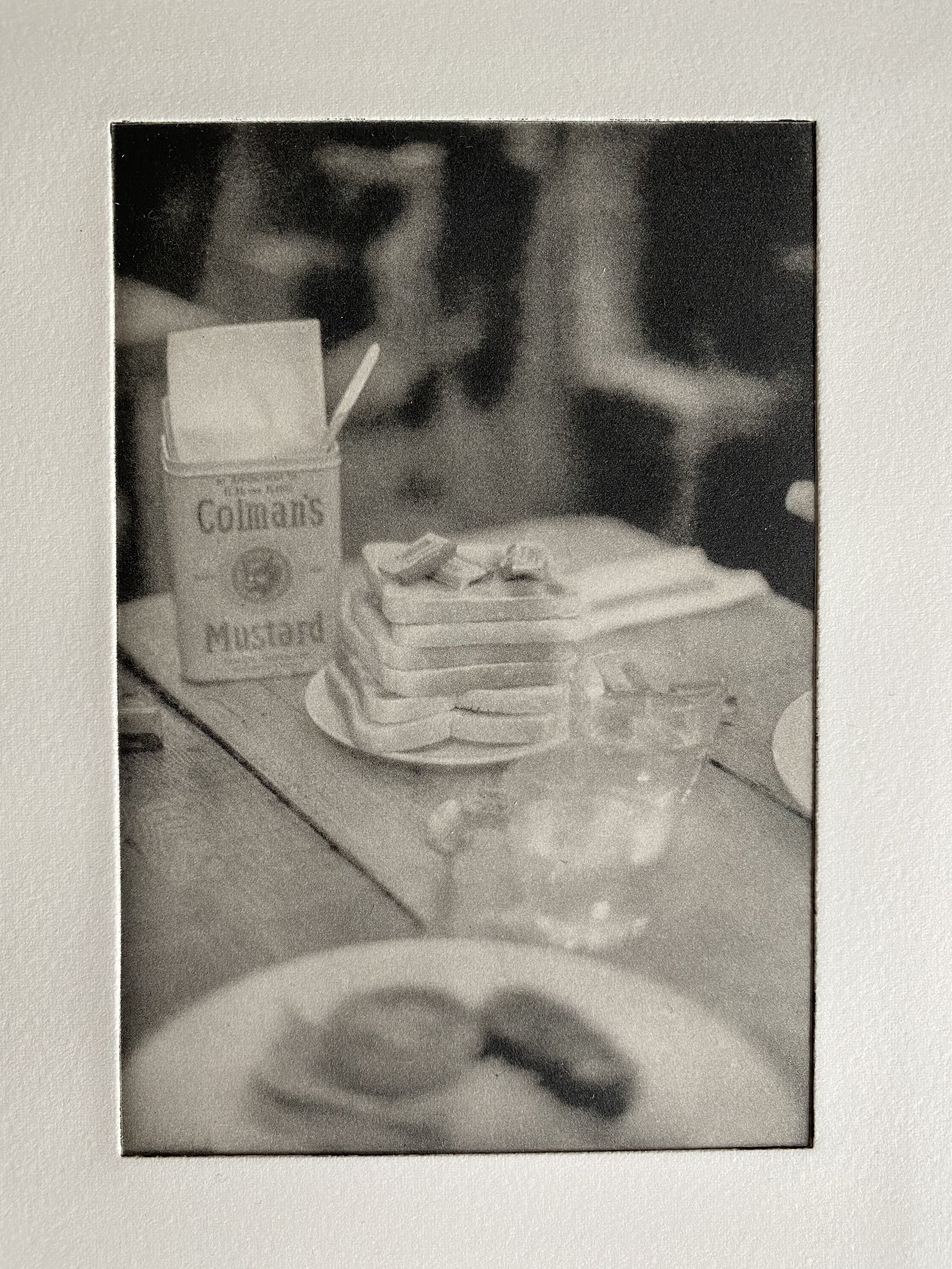
To recap, I went through the Easy Digital Negatives (EDN) process and produced an adjustment curve that had the right shape and produced some real world prints but the results were washed out and contrasty. To say I was crestfallen and dumbfounded would be an understatement. Producing some prints was very uplifting but not knowing why they weren’t very good was dispiriting.
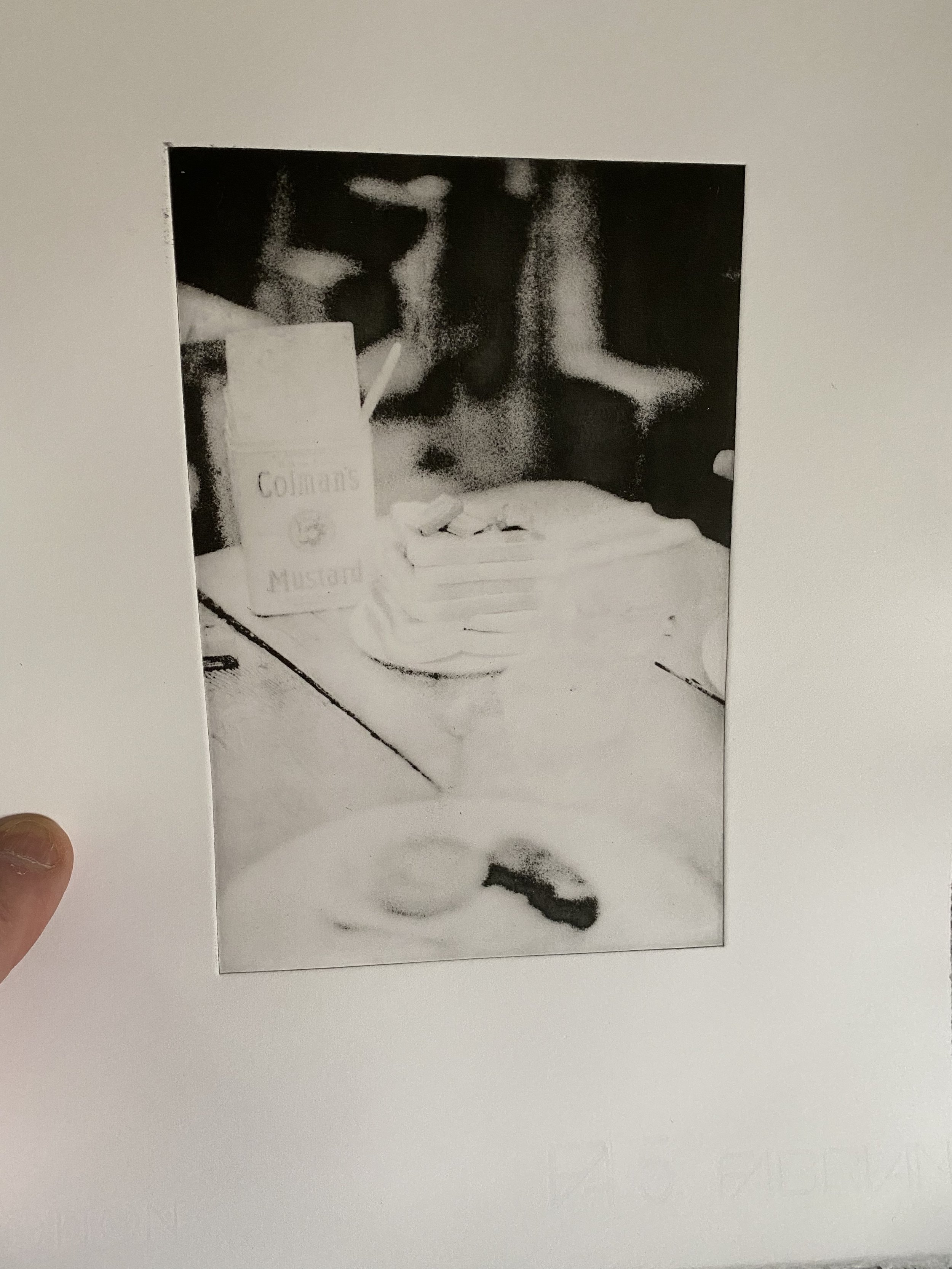
And because of my recklessness in producing a number of plates based on my confidence in the curve, I now had zero unexposed plates left in stock. It was at this point that I realised that plates are actually really rather expensive. With tax and postage, an A5 plate was costing me £7.50 (about $10). The widely used but equally complex direct to plate (DTP) methodology was beginning to look attractive but I wasn’t about to introduce yet more variables! DTP is the process of putting the plate itself into the printer rather than needing an acetate interpositive and aquatint screen. Most DTP practitioners tend to create their own plates using UV sensitive film (bought in bulk rolls) adhered to inexpensive plastic sheet. The film is relatively inexpensive and plates can be made for a tiny fraction of what I was paying. Despite this, it was unrealistic for me to explore DTP at this stage in my learning. Something for the future though.
As an aside, during the screen/image exposure time calibration process I realised that the plates I had been using had an annoying upwards curve at the long edge which meant that when you contact printed an image transparency, the image would fade to nothing as it got closer to the lip simply through lack of contact with the plate. To cut a long story short I obtained a refund from the supplier for the entire batch of 16 A5 plates I had bought from them. This was a much needed boost to morale.
With another batch of plates on order I began trying to work out what had gone wrong. More reading, this time more carefully, of all of the process descriptions. I even downloaded other people’s adjustment curves to compare them to mine. The thing that sunk in the most was Jon Lybrook saying don’t print any plates until your acetates look good and his test of this was to put the acetate on a sheet of white paper where you should get an indication of what the final print will look like in terms of tones (but not necessarily contrast). I tried this with the acetates that had produced my bad, washed out high contrast prints and bizarrely they looked good. As in, they looked like how I wanted my prints to look. This made me think that there might not be anything wrong with my acetates. As Jon said, don’t produce plates until your acetate looks good and I was seeing a good looking acetate.
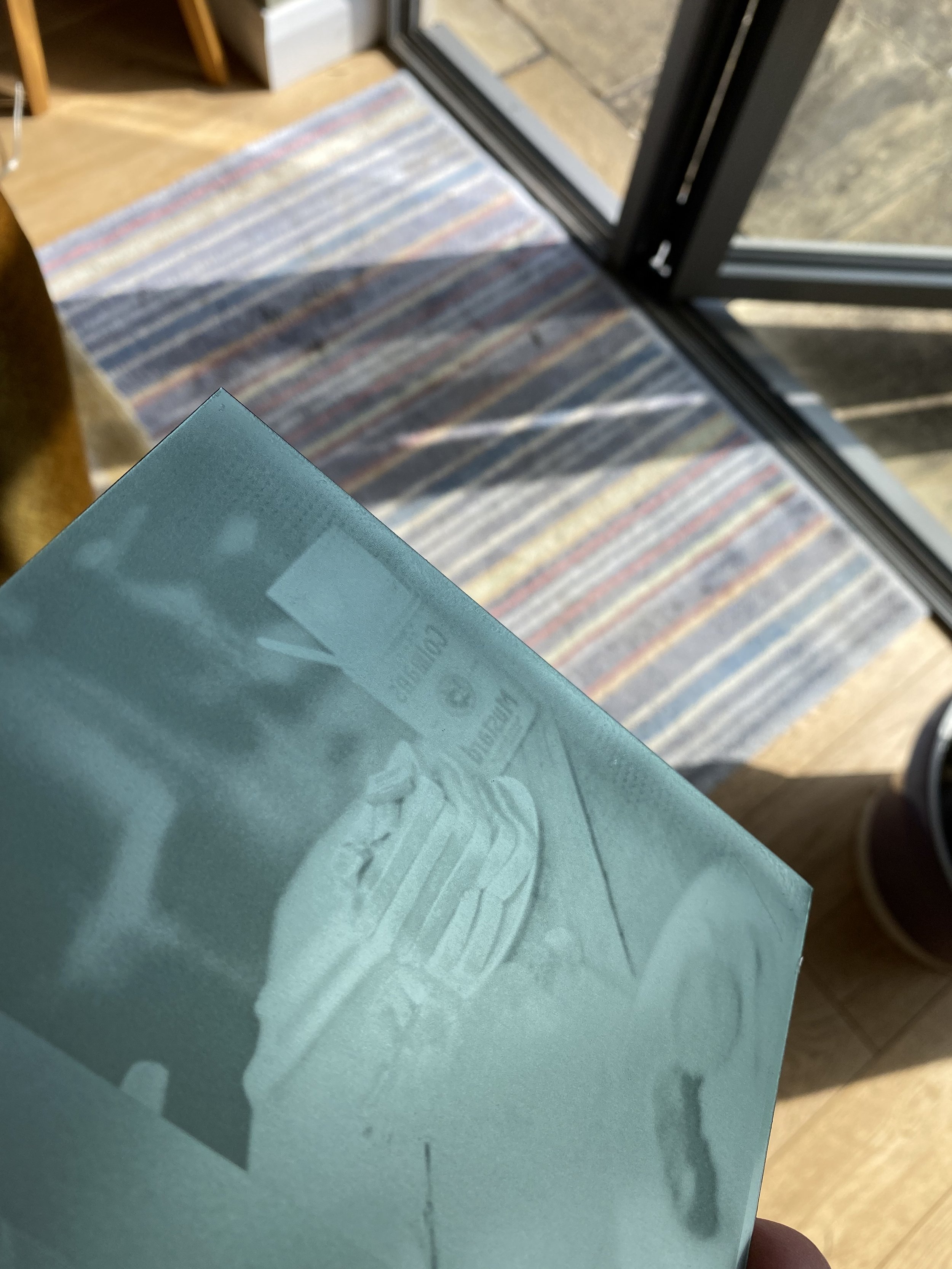
So I decided it had to be the process of producing the plate that was at fault. With the holy trinity of the plate creation process being aquatint screen exposure time, image exposure time and plate washout time, and that my problems were unlikely to be the wash out time, I started to think about screen/image times again. Maybe my 10/10s pairing was not quite right (the print evidence showed it wasn’t right). I devised a series of new tests using five, 10 and 15s for each of screen and image times in all possible combinations.
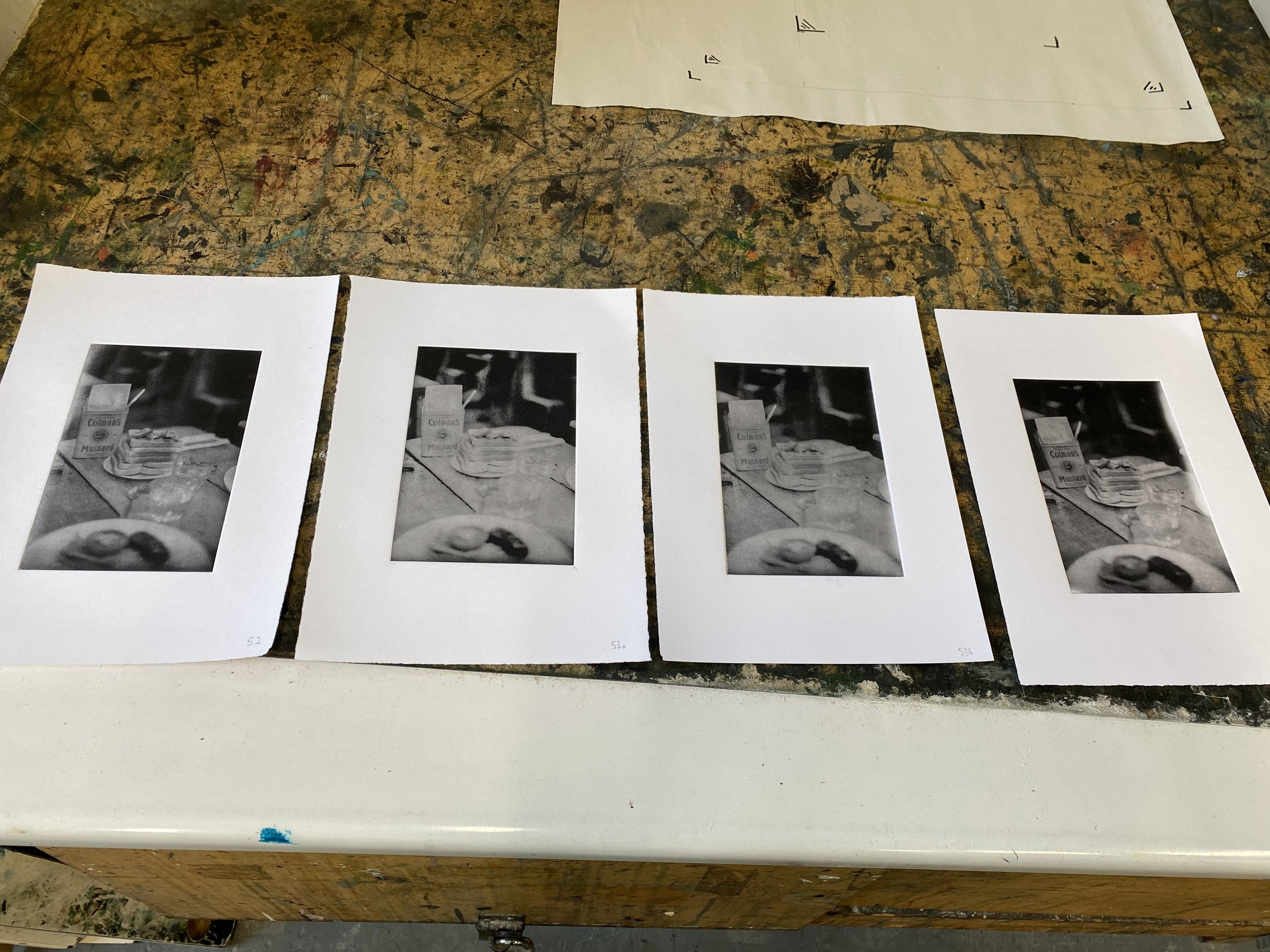
And going back to some previous tests – the ones using the Jon Lybrook ‘circles’ test image – I decided to also create plates with even lower image exposure times (three seconds and then one second). Looking at these earlier test prints that used the circles image, it was the very shortest image exposure times that gave the least washed out results.
For completeness I also created plates for each screen/image time pairing using my previous EDN-derived curve (from the 15/10s times) and also with no curve applied but with the histogram black/white points clipped (some methodologies recommend this (‘in moderation’)).
Evaluating the prints from all these test plates, it looked as though the 10/3s pairing looked the best so I finally had my exposure times defined albeit using a Frankenstein combination of these times with an EDN curve devised from a 15/10s pairing. Not ideal.